Send us a message and one of our specialists pest managers will be in touch
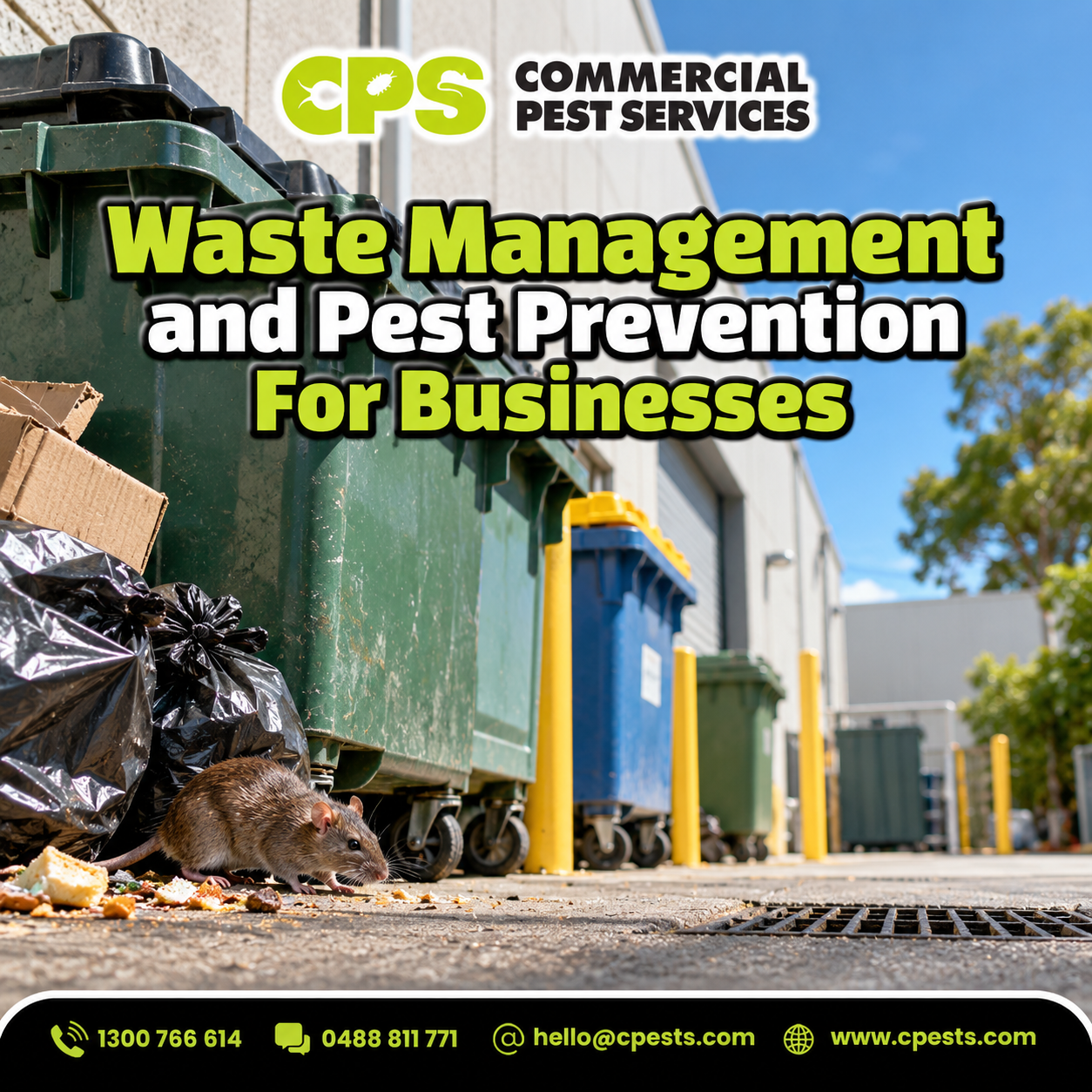
Waste Management and Pest Prevention for Businesses
October 6, 2026
Every business generates waste. Whether it is a restaurant, office, warehouse, retail store, school or healthcare facility, rubbish accumulates every day through daily operations. If waste is not managed properly, it can quickly become one of the biggest attractants for pests. Pests constantly search for food, water and shelter. Overflowing bins, food waste and poorly […]
Every business generates waste. Whether it is a restaurant, office, warehouse, retail store, school or healthcare facility, rubbish accumulates every day through daily operations. If waste is not managed properly, it can quickly become one of the biggest attractants for pests.
Pests constantly search for food, water and shelter. Overflowing bins, food waste and poorly maintained rubbish areas provide exactly what they need. As a result, pest activity can increase, leading to contamination risks, property damage and harm to a business’s reputation.
Effective waste management is not simply about keeping a workplace tidy. It is a key part of pest prevention and helps create a safer, healthier environment for employees, customers and visitors.
Why Waste Attracts Pests
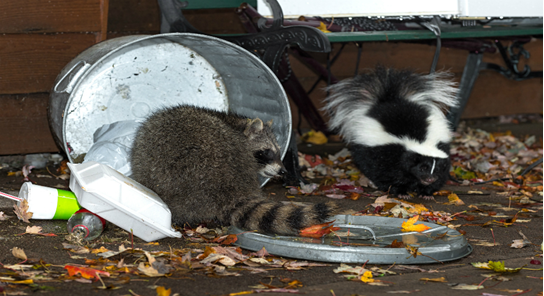
Waste contains valuable food sources for many pests. Food scraps, drink residue, organic waste and even small crumbs left around bin areas can attract cockroaches, rodents, flies and ants.
Moisture from leaking rubbish bags or food waste also provides water that helps pests survive and reproduce.
In addition, rubbish storage areas often offer shelter. Cardboard boxes, overflowing bins and cluttered waste rooms create hidden spaces where pests can feed, nest and breed without being disturbed.
The longer waste remains unmanaged, the greater the opportunity for pests to establish themselves around the property.
Common Pests Found Around Waste Areas
Different pests respond to different types of waste, but several species regularly target commercial properties.
Cockroaches
Cockroaches thrive in warm, damp areas with easy access to food waste. Bin rooms, floor drains and kitchens often become ideal hiding places if sanitation is inconsistent.
Rodents
Rodents are highly adaptable and can detect food waste from surprising distances. Besides contaminating surfaces with droppings and urine, they can damage packaging, stored goods and even electrical wiring.
Flies
Flies breed rapidly around organic waste and overflowing bins. Because they move between rubbish and food preparation areas, they can spread harmful bacteria and compromise food safety.
Ants
Ants seem less concerning, but they quickly establish trails to reliable food sources. Once they discover waste areas, colonies may continue returning until the attractant is removed.
Better Waste Management Supports Better Pest Prevention
Every business can reduce pest risks by adopting consistent waste management practices.
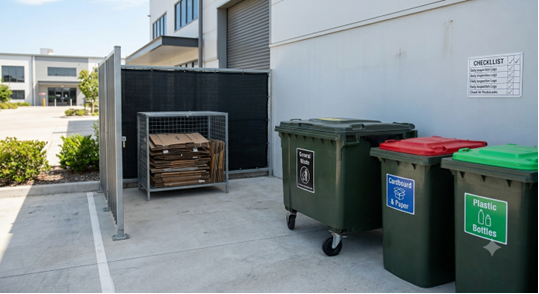
Remove waste regularly before bins become overloaded.
Close bin lids all the time to limit pest access and clean regularly to reduce odours and residue.
Separate waste correctly.
Store bins in a clean and dry place, away from building entrances.
Avoid clutter of cardboards and recycled goods
In addition, regular inspections of waste storage areas allow businesses to identify problems early, such as damaged bins, leaks or signs of pest activity.
Waste Management Is Part of Professional Pest Management
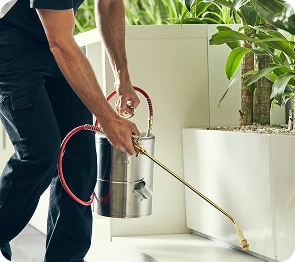
Good waste management works best when combined with a proactive pest management program.
Professional pest technicians assess waste areas as part of routine inspections because these locations often become the first signs of developing pest activity. They can identify potential entry points, recommend sanitation improvements and implement monitoring strategies before small issues become larger infestations.
For many businesses, especially those operating under food safety systems such as HACCP (Hazard Analysis and Critical Control Points), effective waste management also supports compliance and demonstrates a commitment to safe operating practices.
Waste management is a critical factor in hospitals and other healthcare facilities to prevent healthcare associated infections. Read More.
Small Improvements Deliver Long-Term Protection
Every bag of rubbish, food container and waste bin has the potential to attract pests if left unmanaged. Fortunately, consistent waste management significantly reduces these risks.
Businesses make their properties less attractive to pests while protecting their operations, reputation and customers by managing waste properly.
Combined with professional pest management, effective waste management remains one of the simplest and most valuable investments in long-term pest prevention.
Contact us for proper waste management and pest management.
We are committed to providing services that are effective, transparent, and easy to understand.
Book an inspection now with CPS today to arrange a professional inspection and tailored treatment plan.
We acknowledge the Traditional Custodians of Country throughout Australia and their connections to land, sea, and community.
We pay our respect to their Elders past and present and extend that respect to all Aboriginal and Torres Strait Islander peoples today.