Send us a message and one of our specialists pest managers will be in touch
Why Pest Management Should Be Part of Your ESG Strategy
August 31, 2026
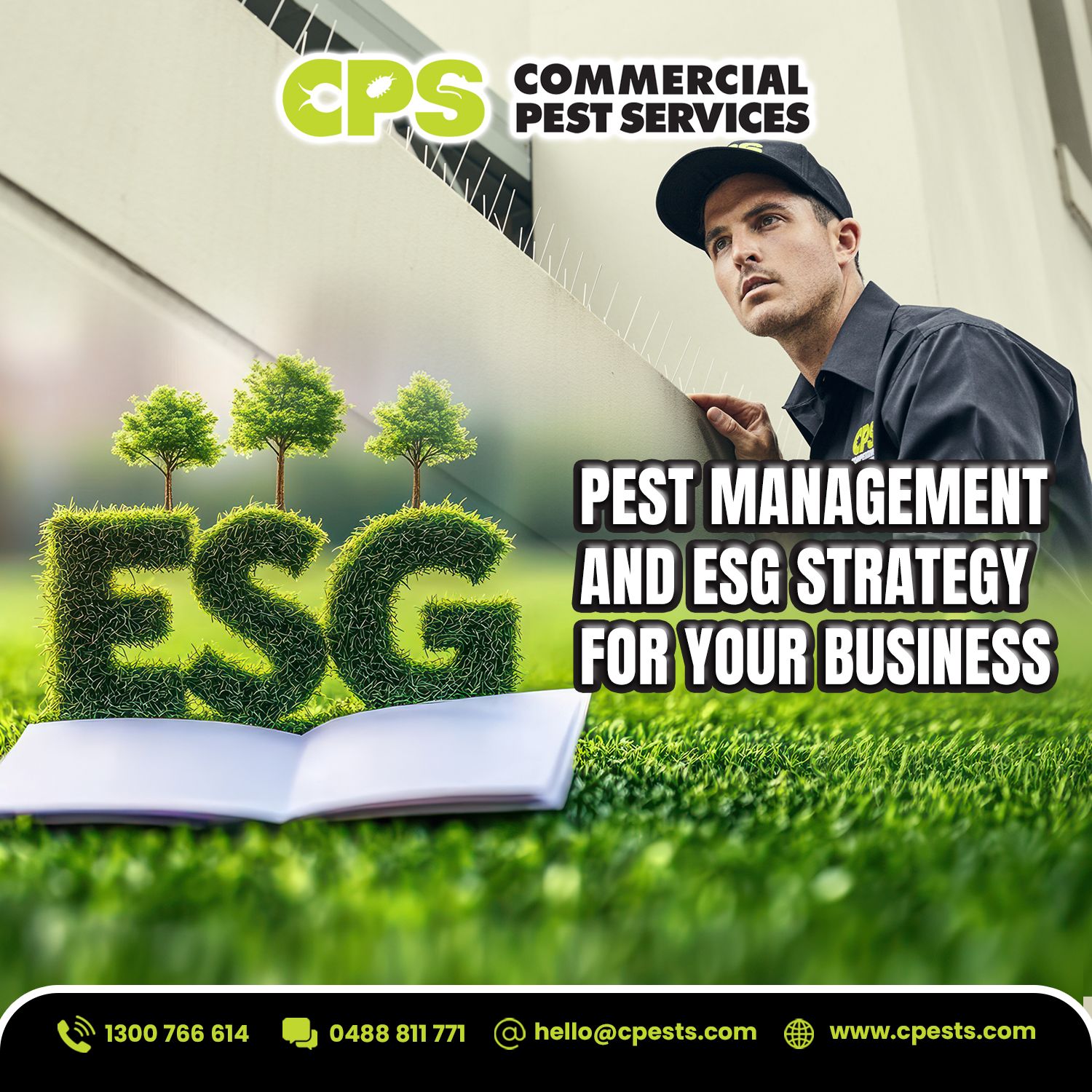
Environmental, Social, and Governance (ESG) principles continue to shape how businesses operate and make decisions. Many organisations focus on areas such as sustainability, waste reduction, energy efficiency, and workplace wellbeing. However, pest management is often overlooked despite its ability to support all three ESG pillars. Modern pest management is no longer just about removing pests. Instead, it focuses on prevention, responsible […]
Environmental, Social, and Governance (ESG) principles continue to shape how businesses operate and make decisions.
Many organisations focus on areas such as sustainability, waste reduction, energy efficiency, and workplace wellbeing. However, pest management is often overlooked despite its ability to support all three ESG pillars.
Modern pest management is no longer just about removing pests. Instead, it focuses on prevention, responsible practices, transparency, and long-term protection.
As a result, pest management can play a valuable role within a broader ESG strategy.
Understanding ESG
ESG stands for Environmental, Social, and Governance.
Environmental considerations focus on how businesses manage their impact on the environment.
Social factors relate to employee wellbeing, customer safety, and community responsibility.
Governance involves accountability, transparency, compliance, and effective risk management.
While these areas may seem separate from pest management, they often overlap more than businesses realise.
Supporting Environmental Responsibility
Modern pest management places a strong emphasis on prevention.
Rather than relying solely on reactive treatments, businesses increasingly use inspections, monitoring, and risk reduction strategies.
This approach helps minimise unnecessary product use while supporting more sustainable outcomes.
At CPS, our commitment to responsible practices aligns with broader environmental goals and long-term sustainability initiatives.
Furthermore, technologies such as smart pest monitoring allow businesses to identify issues earlier and respond more efficiently.
Protecting People Through Better Environments
The social component of ESG focuses heavily on people.
Employees, customers, visitors, residents, and patients all expect safe and comfortable environments.
Pest activity can affect workplace experience, customer confidence, and overall wellbeing.
This becomes especially important in industries such as healthcare, hospitality, education, and food-related facilities.
By maintaining proactive pest management programs, businesses help create healthier environments for everyone who uses their facilities.
Strengthening Governance and Compliance
Good governance depends on accountability and documentation.
Businesses need accurate records, clear reporting, and reliable data to support compliance obligations.
Modern pest management contributes through inspection records, monitoring data, trend analysis, and service reporting.
At CPS, our digital pest management systems provide time-stamped reporting, trend analysis, heat mapping, and secure online access to service information.
These tools help businesses maintain visibility and demonstrate due diligence when required.
Pest Management as Risk Management
One of the key goals of ESG is reducing long-term business risks.
Pest activity can create operational disruptions, property damage, product contamination concerns, and reputational challenges.
Proactive pest management helps businesses identify vulnerabilities before they become costly problems.
Consequently, organisations can focus on prevention rather than reacting to emergencies.
The most effective ESG strategies consider every aspect of risk, responsibility, and sustainability.
Pest management supports environmental responsibility, contributes to employee and customer wellbeing, and strengthens governance through reporting and accountability.
At CPS, we believe pest management should be viewed as an important part of a broader business strategy rather than a standalone service.
Because protecting people, property, and the environment requires a proactive approach in every area of operations.
We are committed to providing services that are effective, transparent, and easy to understand.
Book an inspection now with CPS today to arrange a professional inspection and tailored treatment plan.
We acknowledge the Traditional Custodians of Country throughout Australia and their connections to land, sea, and community.
We pay our respect to their Elders past and present and extend that respect to all Aboriginal and Torres Strait Islander peoples today.