When homeowners think about pest prevention, they often focus on cleanliness, pest treatments, and sealing entry points. While these are all important, there is another factor that receives far less attention; ventilation.
Proper ventilation helps regulate airflow and moisture levels throughout a property. As a result, it creates a less attractive environment for many common household pests. Since pests often seek moisture, warmth, and sheltered conditions, maintaining a proper ventilation system can play an important role in long-term residential pest control.
Understanding this connection can help homeowners make smarter decisions when protecting their property.
What Is a Ventilation System?
A ventilation system helps move fresh air through a building while removing stale, humid air.
In most homes, ventilation comes from a combination of windows, vents, exhaust fans, roof ventilation, and natural airflow. These systems work together to reduce excess moisture and improve indoor air quality.
Some areas of a home rely on ventilation more than others. Bathrooms, kitchens, laundries, roof spaces, and subfloors often experience higher humidity levels and therefore require adequate airflow.
When ventilation is poor, moisture can build up and create ideal conditions for pests and mould growth.
Why Good Ventilation Matters for Pest Prevention
Many common pests are attracted to damp environments.
Cockroaches, silverfish, termites, and even rodents often seek areas where moisture is readily available. Poor ventilation can increase humidity levels, create condensation, and allow damp conditions to develop unnoticed.
For example, cockroaches frequently hide in humid areas such as kitchens, laundries, and bathrooms. Silverfish thrive in dark, damp locations with limited airflow. Termites are also attracted to moisture because it supports their survival and encourages timber decay.
In addition, excess humidity may contribute to mould growth. While mould itself is not a pest, it can indicate moisture problems that make a property more attractive to pest activity.
By installing a proper ventilation system, homeowners reduce excess moisture and make their homes less appealing to a variety of pests.
Practical Actions to Maintain Good Ventilation
Fortunately, maintaining good airflow around your home does not need to be complicated.
- Ensure exhaust fans in bathrooms, kitchens, and laundry rooms are working correctly.
- Open windows to encourage natural ventilation, particularly after cooking, showering, or cleaning activities.
- Keep roof vents, air vents, and subfloor ventilation openings clear of obstructions.
- Check regularly for plumbing leaks, damaged gutters, and drainage problems.
- Monitor areas that commonly experience humidity.
Why Professional Advice Matters
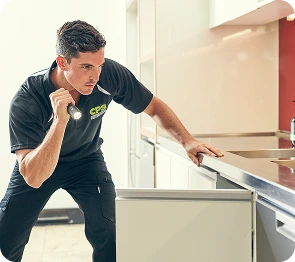
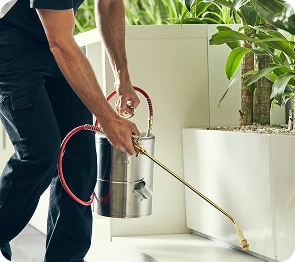
The xperienced pest control technicians assess moisture risks, ventilation concerns, and other contributing factors as part of a tailored pest management approach.
By addressing the cause as well as the pest, homeowners can enjoy stronger long-term protection and greater peace of mind.
Explore our residential control.
Better Airflow Supports Better Pest Prevention
Ventilation alone will not stop every pest problem. However, it forms an important part of a complete pest prevention strategy.
When combined with good hygiene, routine maintenance, moisture control, and professional inspections, proper ventilation helps create an environment that pests find less attractive.
Contact us for inspection.