You switch off the lights, head to bed, and everything seems quiet. Then, you hear scratching sounds in the ceiling or notice a cockroach running across the kitchen floor when you grab a glass of water.
Many homeowners dealing with after-dark pest activity ask the same question: why do pests come out at night?
The answer is simple. Many common household pests are naturally more active after dark because darkness gives them more safety from people, cooler conditions, and less disturbance while they search for food, water, and shelter.
Why Is Night the Best Time for Pests?
For many pests, darkness provides safety.
When people are asleep, homes become quieter and less disturbed. Lights are off, doors stay closed, and there is less movement throughout the house. This allows pests to leave their hiding places and search for the things they need without being noticed.
Night-time is also cooler than the daytime, especially during Australia’s warmer months. Lower temperatures help many pests stay active without losing moisture, making it easier for them to survive.
For these reasons, pest activity at night is completely normal for many species.
Meet the Night Shift
Not every pest follows the same routine, but several common household pests are known for being most active after sunset.
Cockroaches
Cockroaches spend much of the day hiding behind appliances, inside cupboards, or within wall gaps. Once the house becomes quiet, they leave these hiding places to search for food scraps, water, and other sources of moisture.
Seeing one cockroach during the day may simply be a chance. However, frequent sightings at night could indicate a larger pest problem.
Rodents
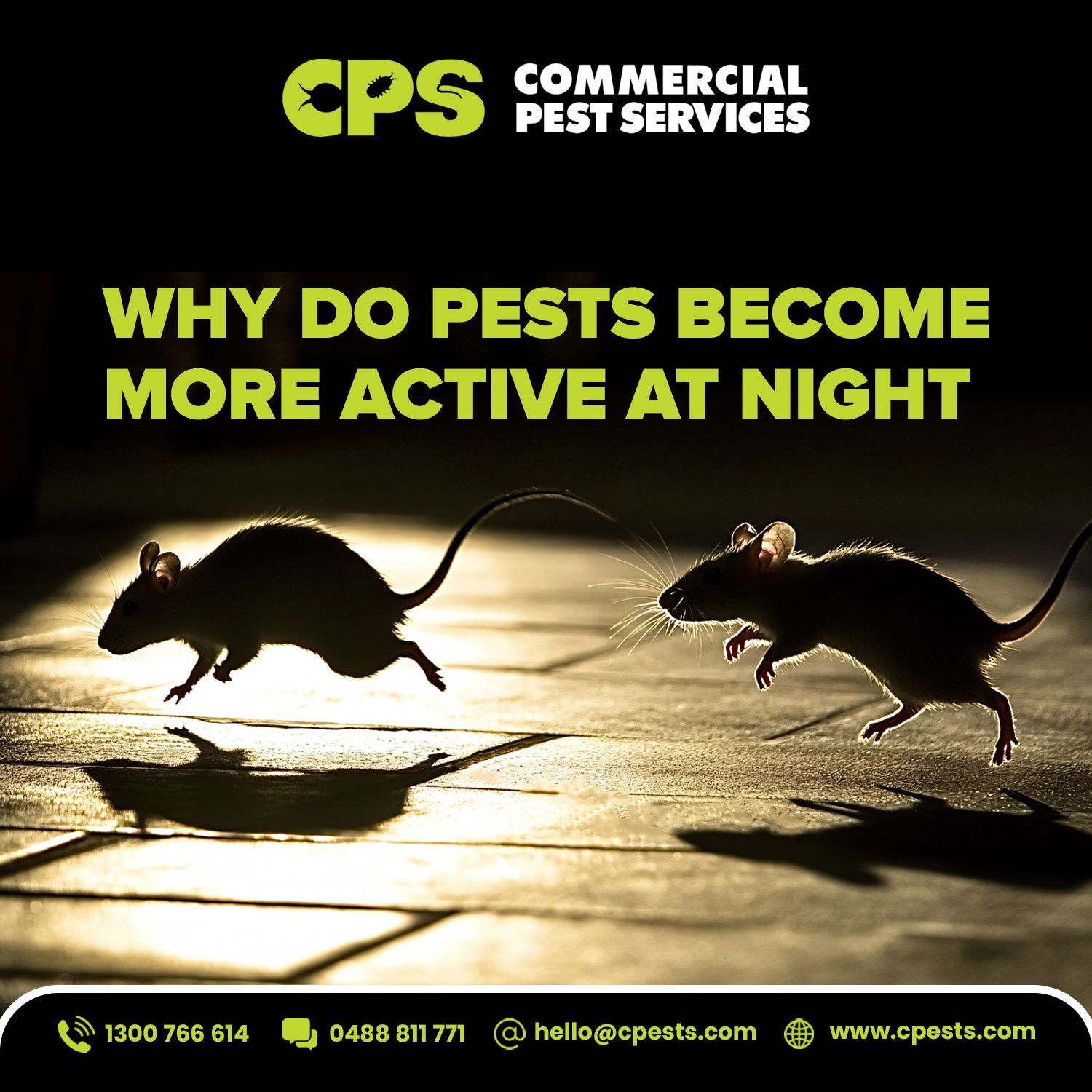
Rodents, both mice and rats are also nocturnal pests. They often travel through roof spaces, wall cavities, garages, and kitchens after dark.
If you regularly hear scratching noises at night or discover droppings the following morning, rodents may already be active around your home.
Spiders
Spiders usually build or repair their webs overnight because there is less disturbance and more insects flying around outdoor lights.
Although most spiders prefer to avoid people, they become more visible during the evening as they search for prey.
Ants
Ants usually remain active throughout the day, while some ant species become busier after sunset. Cooler evening temperatures often make it easier for ants to travel longer distances while searching for food and water.
If food is left on kitchen benches overnight, ants can quickly discover and return to the same location. Read More about how food residues on counters can attract ants at your homes.
Does Night-Time Activity Mean You Have an Infestation?
Not always.
Seeing an occasional pest at night does not automatically mean your home has a serious infestation. Sometimes, a single insect simply wanders inside while searching for food or shelter.
However, repeated sightings, regular scratching noises, droppings, nests, or damaged food packaging may indicate that pests have already established themselves inside or around your property. The earlier these signs are investigated, the easier they are usually to manage.
Read More about early signs of pest activity and understand these signs to prevent further pest infestations at your homes.
Simple Ways to Reduce Pest Activity at Night
Fortunately, a few simple habits can help prevent nocturnal pests and make your home less attractive to them.
- Store food in sealed containers, secure pet food overnight, and wipe away crumbs after meals.
- Repair leaking taps and reduce excess moisture around kitchens, bathrooms, and laundries.
- Seal gaps around doors, windows, and utility pipes where pests may enter.
Keeping your home tidy and scheduling regular residential pest inspections can also help identify hidden pest activity before it becomes a larger problem.
Don’t Ignore the Signs
Most household pests are simply following their natural behaviour when they become active after dark. While occasional sightings are not always a cause for concern, repeated night-time pest activity should never be ignored, and if it continues, the next step is professional pest control.
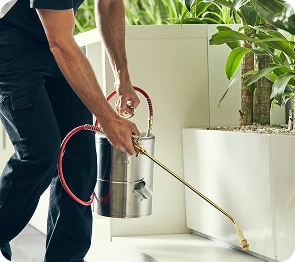
The experienced pest control technicians like CPS help homeowners identify hidden pest activity, locate entry points, and provide tailored residential pest control solutions for effective pest management.
Early action can prevent small problems from becoming larger infestations and help reduce the risk of future infestations throughout the year.