Send us a message and one of our specialists pest managers will be in touch
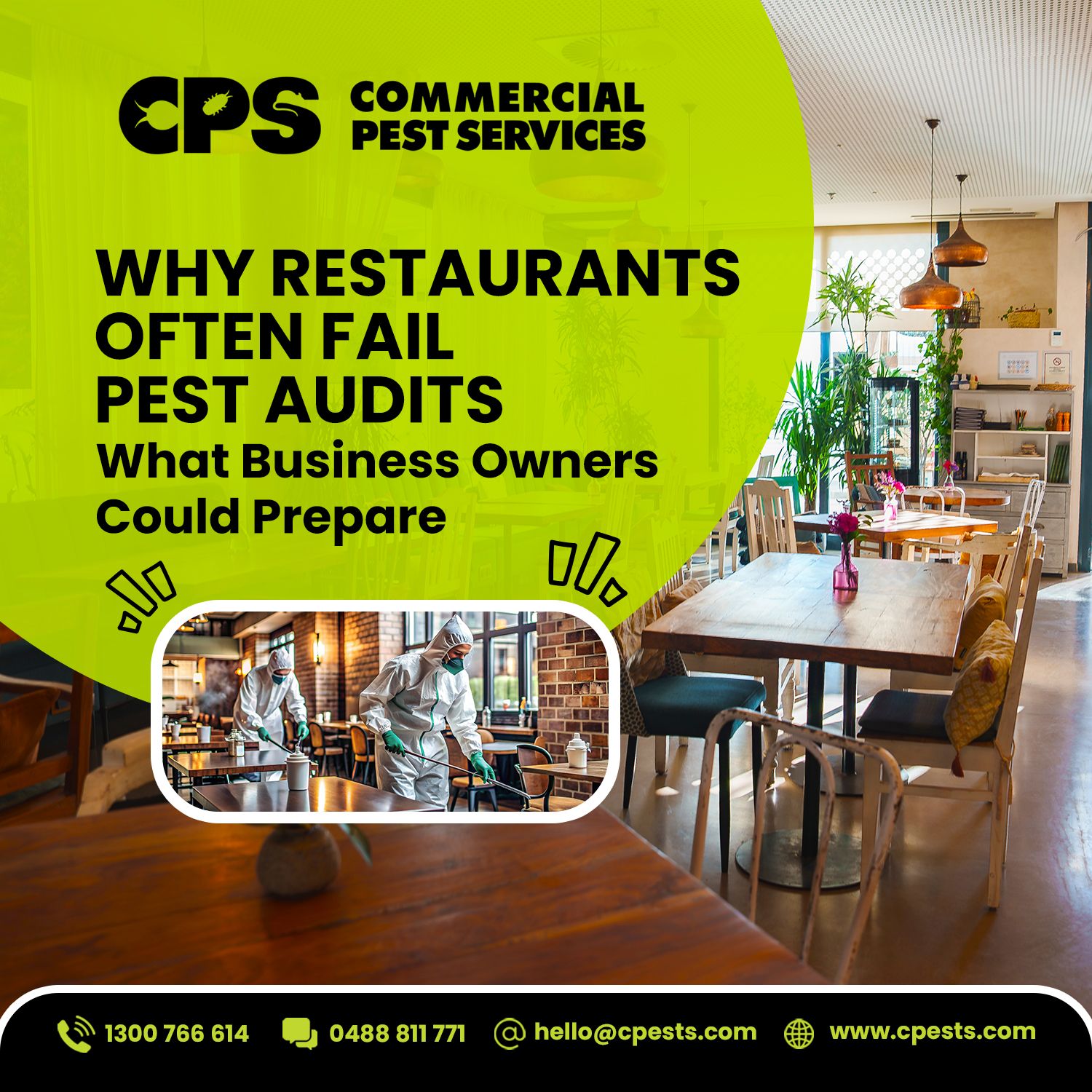
Why Restaurants Often Fail Pest Audits: What Business Owners Can Prepare
June 4, 2026
The food service industry operates under strict hygiene and food safety expectations. Even a small pest sighting can quickly become a major operational and reputational issue for restaurants, cafés, and commercial kitchens. According to the WA Department of Health, 47 food business closures occurred in 2023 due to pest-related non-compliance, with restaurants accounting for 62% of these […]
The food service industry operates under strict hygiene and food safety expectations. Even a small pest sighting can quickly become a major operational and reputational issue for restaurants, cafés, and commercial kitchens.
According to the WA Department of Health, 47 food business closures occurred in 2023 due to pest-related non-compliance, with restaurants accounting for 62% of these cases. Food businesses may also face penalties ranging from $5,000 to $250,000 for serious pest control breaches under regulatory standards established by the Food Act 2008 (WA).
The financial impact extends beyond fines and temporary closures. Restaurant & Catering Australia data also shows that restaurants lose an average of 40% of their customer base following a publicly reported pest incident.
For many businesses, restaurant pest audits are not simply routine inspections. They form an important part of food safety compliance, operational hygiene, and long-term customer trust.
Why Restaurants Need Food Safety Compliance
Restaurants naturally attract pests because they provide:
Food sources
Moisture
Warmth
Waste accumulation
Hidden shelter areas
Without proper hygiene controls and preventative systems, pests such as cockroaches, rodents, ants, and flies can quickly spread throughout kitchens, storage rooms, and waste disposal areas.
Food safety compliance helps restaurants reduce contamination risks while protecting customers, employees, and business operations.
In Australia, food businesses must follow hygiene and food handling standards established by:
Food Standards Australia New Zealand (FSANZ)
Local environmental health regulations
State food safety legislation
HACCP food safety principles
These standards form part of a broader food safety compliance framework designed to reduce contamination risks and improve operational hygiene.
For restaurants, restaurant pest control supports this framework by helping businesses manage pest hazards proactively rather than reactively.
For ongoing support with food safety compliance, check out our commercial pest management services for restaurants, cafés, and food service businesses
HACCP and Pest Control in Restaurants
HACCP stands for Hazard Analysis and Critical Control Points. It is a preventative food safety system that helps businesses identify, monitor, and reduce contamination risks before they become serious problems.
Pest activity is considered a major contamination risk under HACCP principles because pests can:
Contaminate food and preparation surfaces
Spread bacteria and pathogens
Damage stored ingredients
Affect sanitation standards
Compromise food handling environments
Restaurant pest control forms part of integrated pest management protocols used to support HACCP compliance and maintain safer commercial kitchen environments.
Professional food service pest management programs often include:
Regular monitoring
Site inspections
Treatment documentation
Corrective action logs
Device mapping
Preventative recommendations
These systems help restaurants maintain better visibility over pest risks across kitchens, storage zones, delivery areas, and waste disposal sections.
However, many restaurants still fail pest audits because hidden vulnerabilities often go unnoticed during day-to-day operations.
Understanding Food Safety Inspections and Pest Audits
Authorized environmental health officers conduct thorough, and often unannounced, inspections to verify that food businesses:
Eliminate pest hazards
Maintain active pest management programs
Follow hygiene standards
Properly document treatments and monitoring devices
Inspectors may also review:
Treatment documentation
Pest sighting records
Corrective action logs
Cleaning schedules
Site maps
Waste management practices
This is why restaurants need more than occasional pest treatment. Businesses require structured and well-documented food service pest management systems that align with compliance expectations.
How Restaurants Can Prepare for a Successful Pest Audit
Preparing for a food safety inspection becomes easier when restaurants work with professional commercial pest control providers operating under HACCP-compliant standards.
Professional pest management teams can help businesses:
Establish tailored service schedules
Maintain updated site maps
Implement regular monitoring programs
Identify hidden risk areas
Improve integrated pest management protocols
Maintain organised treatment documentation
Documented service reports can also be provided directly to inspecting officers during audits.
This proactive approach helps restaurants demonstrate stronger compliance readiness while reducing the likelihood of unexpected pest-related issues during inspections.
Why Restaurants Often Fail Pest Audits
Many restaurants fail pest audits because of hidden operational gaps rather than severe infestations alone. In many cases, businesses overlook small warning signs until pest activity spreads further.
Poor Waste Management
Overflowing bins, grease buildup, and poorly maintained rubbish areas create ideal conditions for pests.
External waste zones often become one of the biggest overlooked risk areas during restaurant pest audits. Pests commonly target bin storage areas, grease traps, outdoor dining zones, delivery entrances.
Regular waste removal and sanitation support help reduce these risks significantly.
Hidden Moisture Problems
Cockroaches, ants, and flies actively search for moisture sources indoors.
Restaurants often overlook leaking pipes, damp storage rooms, condensation buildup, poor ventilation, water pooling near sinks and drains.
These hidden moisture problems create highly attractive pest environments.
Inconsistent Cleaning Practices
Visible cleaning alone does not always prevent pest activity.
Many restaurants fail to clean:
Behind kitchen equipment
Floor drains
Storage shelving
Ceiling spaces
Under refrigeration units
Food residue and grease accumulation in hidden areas can quickly attract pests even when front-of-house dining areas appear clean.
Structural Entry Points
Small structural gaps allow pests to enter kitchens and storage areas unnoticed.
Areas such as damaged door seals, wall cavities, ventilation openings and cracks near utility pipes or roofs are highly at risk as rodents and cockroaches often exploit these areas after business hours.
The Drawbacks of Failed Pest Audits
Failing pest audits can create serious operational and financial consequences for restaurants.
Temporary Business Closures
Health authorities may temporarily close restaurants that fail to meet food safety standards. Even short closures can disrupt daily revenue, staff scheduling, supplier coordination, and customer bookings.
Operational downtime can quickly become expensive for hospitality businesses.
Brand Reputation Damage
Today, pest incidents spread rapidly through online reviews, social media, customer complaints, and public inspection reports. One visible pest sighting can negatively affect public perception for months.
Customers often associate pest activity with poor hygiene standards, even if the issue was isolated.
[Internal Link Opportunity: Link to related blog about customer trust and hygiene standards.]
Loss of Customer Trust and Loyalty
Customer trust becomes difficult to rebuild after a publicly reported pest issue.
Many customers avoid returning to restaurants where they believe hygiene standards were compromised.
This may lead to:
Reduced repeat business
Negative word-of-mouth
Declining customer loyalty
Long-term revenue loss
Employee Discomfort and Workplace Dissatisfaction
Pest activity also affects employees working inside the environment daily.
Staff may experience:
Hygiene concerns
Reduced workplace confidence
Discomfort in food preparation areas
Frustration with recurring infestations
Maintaining proactive food service pest management supports both operational hygiene and workplace morale.
Why Proactive Pest Management Matters
Reactive treatment often addresses infestations after they become visible. However, proactive restaurant pest control focuses on preventing pest activity before it spreads throughout the property.
Professional pest management programs commonly include:
Regular monitoring
Integrated pest management protocols
Treatment documentation
Corrective action logs
Site inspections
Preventative recommendations
These systems help restaurants identify vulnerabilities early while maintaining stronger compliance readiness.
Because every commercial kitchen operates differently, tailored pest management strategies often provide more effective long-term protection than generic treatment plans.
A restaurant pest audit assesses pest risks, sanitation conditions, and food safety vulnerabilities within a food service environment.
Why do restaurants fail pest audits?
Restaurants commonly fail pest audits because of poor waste management, hidden moisture issues, structural gaps, inconsistent cleaning, or incomplete pest management documentation.
Is pest control part of HACCP compliance?
Yes. Pest control forms part of HACCP food safety systems because pests create contamination risks in food handling environments.
What documents should restaurants keep for pest audits?
Restaurants should maintain treatment documentation, site maps, monitoring records, corrective action logs, pest sighting reports, and service schedules.
Why is proactive pest management important for restaurants?
Proactive pest management helps reduce contamination risks, improve hygiene standards, protect customer trust, and support ongoing food safety compliance.
We acknowledge the Traditional Custodians of Country throughout Australia and their connections to land, sea, and community.
We pay our respect to their Elders past and present and extend that respect to all Aboriginal and Torres Strait Islander peoples today.