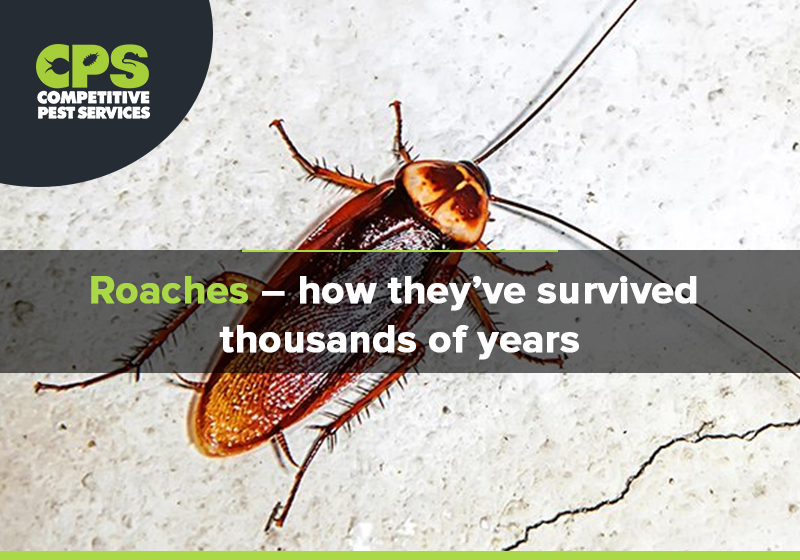
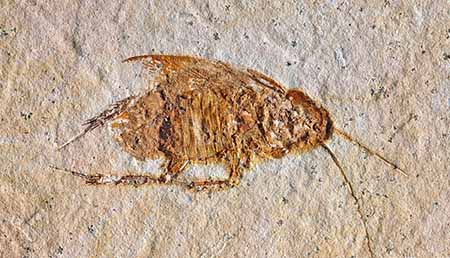
Cockroaches have existed for hundreds of millions of years, to the point that we do not know how old they actually are. With fossil evidence it shows that cockroaches have been around for more than 300 million years, they are one of the oldest groups of insects on the earth. They are also one of the most common and there are around 4,600 species of cockroaches worldwide, and they live in every continent, except for Antarctica. Roaches have survived many extinction events, including the end of the dinosaurs, seemingly unscathed.
Adaptations for survival
There aren’t many differences between the first cockroaches and the cockroaches that exist today. However, there are a few changes that helped the species survive. One of the main differences with the prehistoric roach, or blattopteran, was the lack of internal ovipositors, which is an organ used for laying an ootheca, or egg sac. Having one of these helps cockroaches keep their young safe from predators and other threats. Modern roaches also have fat bodies with a wide variety of symbiotic microbes in their guts. Cockroaches are known for eating almost anything, and these microbes help them digest their wide mix of foods. How roaches reproduce varies from species to species. In most cases, roaches are oviparous, or they lay eggs within which their young develop outside the mother’s body. In other species, eggs develop inside a mother’s body. And one species, the Madagascar hissing roach, females give live birth.
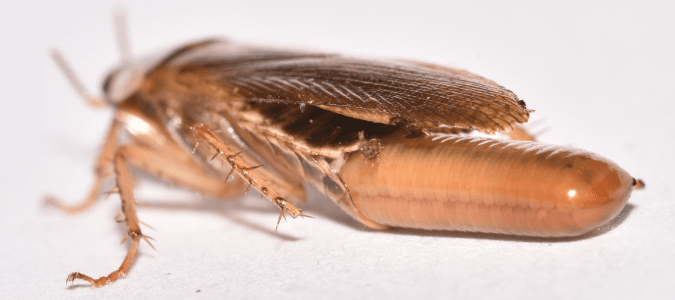
It’s not uncommon for a female roach to give birth to 40-60 live offspring. The female American cockroach is equipt for parthenogenetic reproduction, a type of asexual reproduction, or “virgin birth.” Like other arthropods that can reproduce in this way, cockroaches tend to do so under conditions when males aren’t available.
In most cockroach species, the female roaches live longer than males. Some can even live for at least two years. To further understand a cockroach’s life cycle, here are the average life cycles of some of the most common cockroach species:
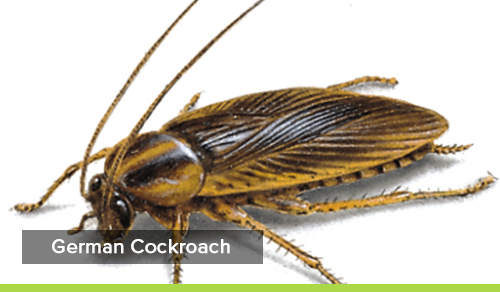
- German Cockroach: The typical female German cockroach can lay about 20 to 40 eggs at a time. She is also expected to produce as many as five oothecae during her lifespan. The eggs that come out from a female roach will have an average incubation rate of 28 days. Also, German cockroaches pass through six or seven instars before becoming an adult. This happens within 103 days, but the usual adult lifespan for both male and female German cockroaches is less than 200 days.
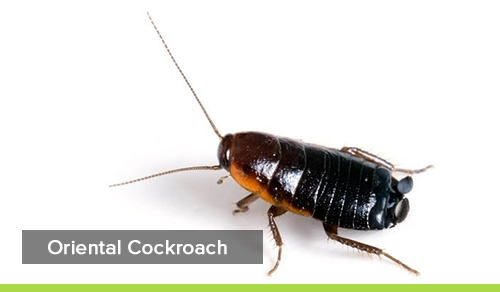
- Oriental Cockroach: The female members of this species can only lay at least 16 eggs at a time and produce eight oothecae during their entire lifespan. That means a female roach can only have at least 128 offspring. Also, the Oriental cockroaches can go through seven to 10 instars in approximately 589 days. The average lifespan of the females can last up to 180 days, while the males can only last for 160 days.
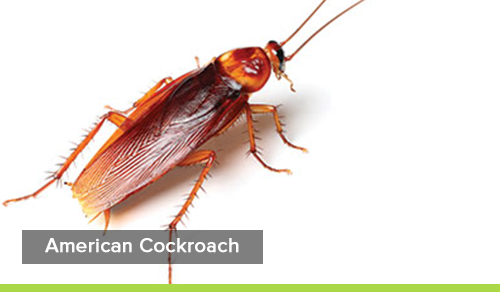
- American Cockroach: Aside from being the biggest house-infesting cockroach species in the world, the American cockroach also has the longest lifespan among all the pests that invade your property. The females can lay at least 16 eggs at a time and release about six to 14 oothecae during her 700 days of existence. On the other hand, males can exist for as long as 362 days.
Roaches spend the daylight hours in these dark, secluded sites then venture out at night in search of food and water. Thus, populations can build to large numbers before they are sighted.
Facts about cockroaches
Cockroaches are flexible, durable, and fast, traits attributed to their longevity. A human running as quickly as some cockroach species at top speed would need to travel 200 miles per hour to cover the same amount of distance in proportion to their body size, according to HowStuffWorks.com’s Wilson. And if a roach loses a limb, some species can regrow them as they molt. They can fit into tiny spaces and hold their breath for a long time. Additionally, roaches can last more than a month without food, and over a week without water. But what is most impressive is that roaches can remain alive for a week without its head! The good news is, eventually, a headless roach will die of starvation or as a predator’s meal.
There are many different species of these bugs and they come in different colors and sizes, but what they have in common is a flattened body with three segments, head, thorax, and abdomen, and six long legs. Their shape allows them to scuttle into even the narrowest cracks and crevices, and those found indoors prefer warm, dark, moist environments such as kitchens and bathrooms.
Although roaches are known to eat just about anything, some roaches have adapted to sugar traps used by humans to kill them in our homes. To these roaches, glucose tastes bitter instead of sweet. Researchers from North Carolina State University conducted two experiments, one in which they gave the roaches two food options, jam and peanut butter, and another in which they directly analyzed the cockroaches’ taste receptors.
Cockroaches are omnivores, so unless they have a good reason for not eating something for example because humans are trying to poison them with sugar traps – they’ll consume whatever they can. They even will eat glue, soap, or leather to survive. Roaches are not only flexible in the contents of their meals, but also the timing of when they can eat. Some roaches can last more than a month without food and over a week without water.
Roaches are the fastest insect, the many sensory organs on their legs make them aware of even the slightest hint of danger, allowing them to make their escape within 40 milliseconds. They’re much more resistant to radiation compared to humans (up to about 15 times our lethal dose,) and can survive for a month without food. They are also known for developing tolerances and even immunities to toxins and poisons, making them a headache for exterminators like ourselves. So while they’ll still die from a nuclear explosion, they can likely survive the radiation.
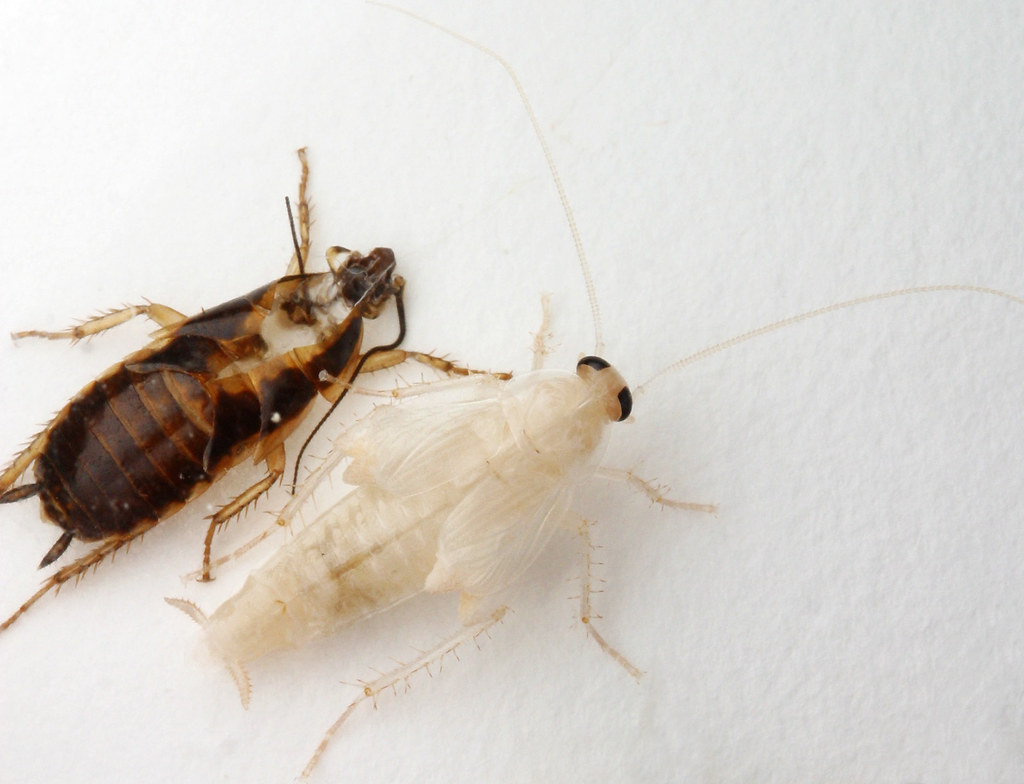
Beyond durability, roaches are built to play defense. They have an exoskeleton to protect their soft bodies and will hide whenever they’re in the process of molting their exoskeleton. The exoskeleton is not only rigid but flexible to allow the roach to crawl into tiny crevices.
American cockroaches also had a larger-than-average suite of genes devoted to metabolizing nasty substances, including some of the ingredients in insecticides. German cockroaches have similar adaptations, Schal said. Both species developed these genetic changes long before humans came on the scene, he said. Thanks to their tendency to live among toxin-producing bacteria and to eat plant matter that might hold toxic substances, roaches were “pre-adapted” to the insecticides that humans throw at them, Schal said.
The American cockroach also had an expanded family of immunity genes, likely another adaptation for surviving unsanitary environments and fermenting food sources, Li and colleagues wrote. Finally, the roach had a large number of genes devoted to the development, like genes responsible for synthesizing the insect’s juvenile hormone or the proteins in its exoskeleton. This made sense, the researchers wrote, since American cockroaches can grow up to 2 inches (53 millimeters) long and molt many times to reach that size.
How Do roaches Survive Different Weather Conditions?
Because they know how to adjust to different environments, roaches have their own ways of surviving any season and weather. Since they are cold-blooded microorganisms, they cannot regulate their internal temperatures. That is why it will be hard for them to survive when the weather becomes too cold. However, they can easily find a place with the right temperature and an adequate source of water. Most of the time, their preferred temperature is somewhere between 25 to 30 degrees Celsius. If the weather drops below 25 degrees, they would rather move out to find a warmer place.
During the winter, most cockroaches go through a hibernation state referred to as the diapause. At this time, they would stop doing their usual activities like growing or breeding. But, you may notice that you have an infestation in your home during this time, too. The cockroaches may be looking for a warm place to stay in with a stable food source.
Why roaches are a problem for our health
Secretions that are produced by roaches can stain surfaces and affect the flavor of foods. If there are large numbers of cockroaches, the secretions can even have a detectable odor. When roaches walk on food, utensils, dishes, counters, or food-contact surfaces, they can transfer these bacteria to the food and onward to those who eat the foods, causing illnesses such as food poisoning, dysentery, and diarrhea.
A significant portion of the population exhibits some extent of an allergic reaction to the feces and cast skins of cockroaches. Reactions can range from skin rashes, watery eyes, sneezing, and nasal congestion to asthma or worse.
What will happen if cockroaches become extinct?
Even if you despise these creatures, the ecosystem will be disrupted if there are no roaches left in the world. According to a study by Srini Kambhampati, a professor and chairman of the University of Texas at Tyler’s Biology Department, there will be repercussions in case cockroaches suddenly disappeared in the world. One of them is its effects on the diet of other creatures.
Kambhampati explained that there are animals that feed on roaches, including rats, cats, reptiles, and big birds like eagles. While these animals do not rely entirely on cockroaches for their diets, and other insects like parasitic wasps need cockroach eggs to survive. Without roaches, these wasps will also become extinct.
Most cockroach species help the forests by eating the decaying organic matters like wood and leaves that trap the atmospheric nitrogen. Once the cockroach excretes its wastes, the nitrogen released will be mixed with the soil. Since nitrogen is an important gas that contributes to the growth of trees, cockroach wastes are very essential to the health of forests.
Medical research was also done based on the characteristics of the cockroach. The experts from the University of Nottingham’s School of Veterinary Medicine and Science found out that these insects can produce very potent antibiotics on their own, that is why they can survive living in filthy environments without getting sick. This may pave the way for researchers to finally develop the cures for some of the most dangerous illnesses caused by bacteria.
Other countries use cockroaches as medicine. In some parts of China, hospitals treat burns using a cream made with powdered cockroaches, while those suffering from gastroenteritis were sometimes asked to drink cockroach syrup. These practices will have to stop if roaches become extinct.

Are you dealing with a cockroach infestation?
If you’ve tried using home remedies and are still dealing with cockroach infestations then it’s probably best to call for professional help. Pest control experts will be able to identify the area of concern and help eliminate and prevent the return of these pesky little pests with effective anti-cockroach treatments.
We’re here to help! Here at CPS we are trained to provide you with the best service and most efficient solutions to your pest problems. Contact us at 1300 766 614 so we can help get rid of your cockroach infestation immediately.