Send us a message and one of our specialists pest managers will be in touch
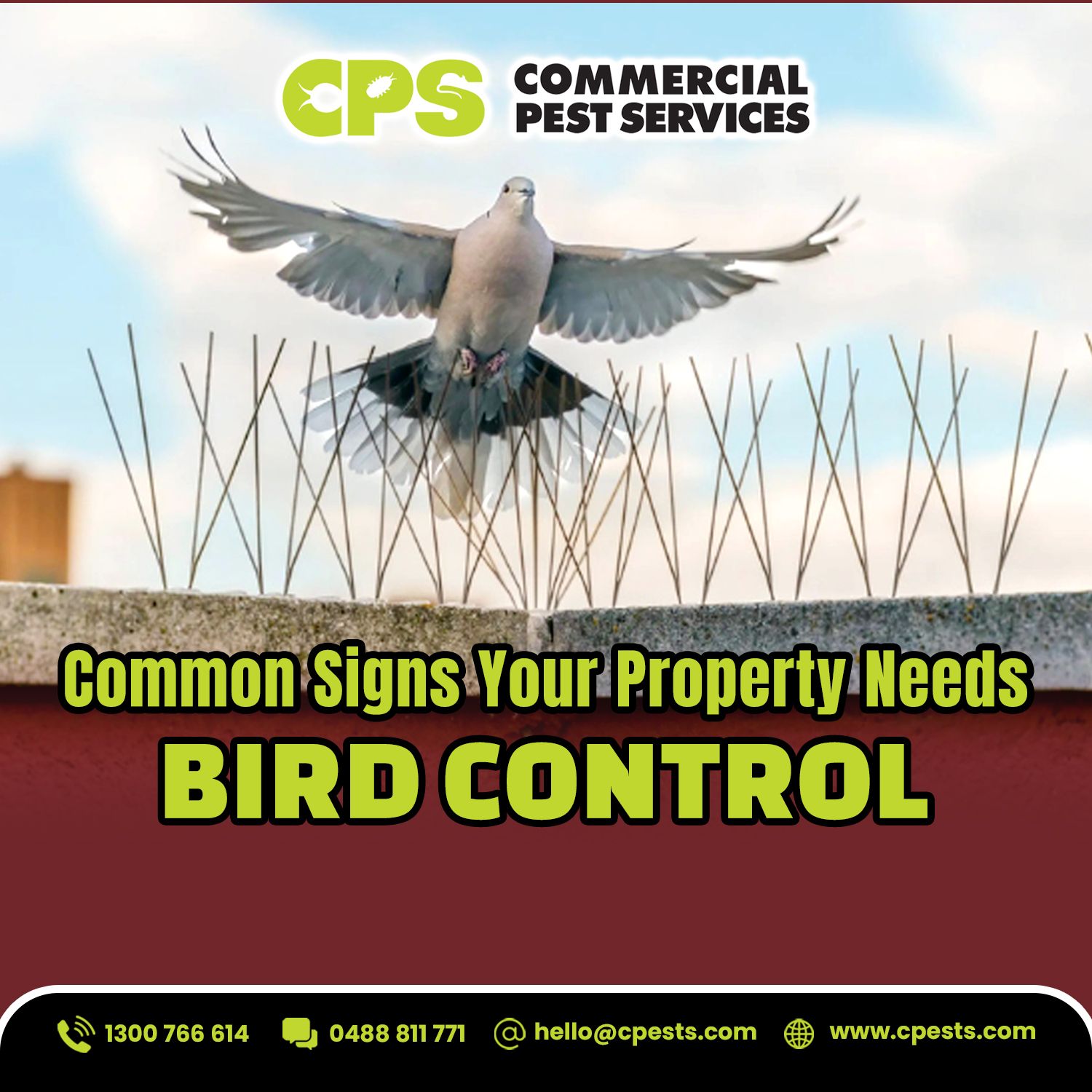
Common Signs Your Property Needs Bird Control
August 3, 2026
For many Australian businesses, bird activity is often seen as a minor inconvenience. A few birds around the building may not seem like a serious concern. However, bird activity can quickly become much more than a nuisance. Bird nesting and roosting can create health risks, damage property, increase maintenance costs, and affect customer experiences. In some […]
For many Australian businesses, bird activity is often seen as a minor inconvenience. A few birds around the building may not seem like a serious concern.
However, bird activity can quickly become much more than a nuisance.
Bird nesting and roosting can create health risks, damage property, increase maintenance costs, and affect customer experiences. In some industries, unmanaged bird activity may even disrupt operations and compliance requirements.
At Competitive Pest Services (CPS), we understand that effective bird control is about protecting people, property, and business reputation through early intervention and long-term prevention.
Common Signs of Bird Activity Around Your Property
Recognizing the early signs of bird activity can help businesses act before problems escalate.
Bird Droppings Around the Property
Large amounts of bird droppings often indicate regular bird activity nearby.
Droppings commonly appear on rooftops, footpaths, loading docks, outdoor seating areas, signage, and building entrances. Besides creating an unpleasant appearance, they can also increase cleaning requirements and slip hazards.
Nesting Materials and Nesting Activity
Birds often collect twigs, feathers, leaves, and other materials when preparing nesting sites.
You may notice nests forming under roofing structures, within gutters, around air-conditioning units, on ledges, or beneath solar panels.
Even if active nests are not present, repeated nesting attempts may indicate that birds view the property as a suitable location.
Increased Noise Levels
Persistent chirping, squawking, or fluttering sounds around certain areas of the property can signal increased bird activity.
Noise disturbances may affect staff comfort, customer experiences, and nearby occupants, particularly when large groups of birds gather regularly.
Signs of Property Damage
Bird activity can contribute to blocked gutters, damaged roof structures, corrosion from droppings, and deterioration of building materials over time.
Nesting materials may also obstruct drainage systems and ventilation areas if left unmanaged.
Frequent Bird Sightings
Regular sightings of birds gathering around rooftops, loading areas, waste zones, or customer entrances should not be ignored.
While occasional visits are normal, repeated congregation in specific areas may indicate an increased risk of nesting and future infestations.
Importantly, these signs do not always mean active nesting is occurring. However, they can indicate that birds are becoming established and that preventative bird control measures may be beneficial.
Common Birds Affecting Australian Businesses
Several bird species commonly create challenges for Australian commercial properties.
These concerns become especially important in industries such as hospitality, healthcare, food manufacturing, and retail.
Property Damage
Bird droppings contain acidic properties that can damage paintwork, roofing materials, machinery, and building surfaces over time.
Meanwhile, nests may block gutters, increase maintenance costs, and contribute to water damage during heavy rainfall.
Why Bird Control Matters for Businesses
Effective bird control provides benefits beyond simply removing unwanted birds.
It helps protect staff and customers from potential health risks. It also reduces cleaning and maintenance costs while helping preserve the appearance of the property.
Furthermore, commercial bird control supports business reputation, operational efficiency, and compliance expectations in sensitive industries.
At CPS, we focus on humane and practical bird control solutions designed to address each property’s unique risks. Explore more about our bird control.
Protect Your Business Before Problems Escalate
Bird activity should never be dismissed as “just part of doing business.”
Recognising the early warning signs allows businesses to act before nesting activity becomes a larger concern.
At CPS, our experienced team provides tailored bird control and pigeon control solutions that prioritise prevention, property protection, and long-term results.
We are committed to providing services that are effective, transparent, and easy to understand.
Book an inspection now with CPS today to arrange a professional inspection and tailored treatment plan.
We acknowledge the Traditional Custodians of Country throughout Australia and their connections to land, sea, and community.
We pay our respect to their Elders past and present and extend that respect to all Aboriginal and Torres Strait Islander peoples today.