Send us a message and one of our specialists pest managers will be in touch
Why Pests Return After Treatment
June 19, 2026
Pest treatments help reduce pest activity effectively. However, many people feel frustrated when pests appear again after some time. This often leads property owners to wonder why the problem continues despite previous treatments. In many situations, pests return because surrounding environmental conditions still support their survival. Food sources, moisture, shelter, and entry points may continue […]
Pest treatments help reduce pest activity effectively. However, many people feel frustrated when pests appear again after some time. This often leads property owners to wonder why the problem continues despite previous treatments.
In many situations, pests return because surrounding environmental conditions still support their survival. Food sources, moisture, shelter, and entry points may continue attracting pests even after treatments reduce existing activity.
Additionally, nearby pest pressure and seasonal conditions may also influence recurring infestations. Therefore, long-term prevention usually works best when treatment combines with ongoing environmental management and regular inspections.
Understanding why pests return can help property owners reduce future pest risks more effectively.
Food Sources Still Attract Pests
Pests constantly search for food sources wherever they can find them. Even very small food residues may continue attracting pests indoors and outdoors.
Crumbs under appliances, grease build-up, food packaging residue, overflowing bins, and pet feeding areas may all support pest activity. Additionally, storage rooms, shared kitchens, and dining spaces may unintentionally provide easy food access.
Cockroaches, ants, rodents, and flies often remain active around these areas because reliable food sources help them survive longer. Because pests adapt quickly to available food sources, small unnoticed residues may contribute to future infestations over time.
[internal link – ‘food residues at homes attracting ants’ Read about how ignored food residues at home could be attracting ants.]
Moisture Problems Continue Supporting Pest Activity
Moisture strongly influences many pest infestations. Consequently, pests often remain active in environments where damp conditions continue developing.
Leaking pipes, blocked drains, condensation, poor ventilation, and standing water may create ideal conditions for pests. Furthermore, moisture often supports multiple pest species simultaneously.
Bathrooms, kitchens, laundry areas, basements, and HVAC systems often become high-risk zones because moisture may accumulate unnoticed over time.
Even after treatments reduce pest numbers, unresolved moisture problems may continue attracting new pest activity later.
Entry Points Still Allow New Pests Indoors
Pest treatments may reduce current infestations successfully; however, new pests may still enter buildings through hidden gaps and openings.
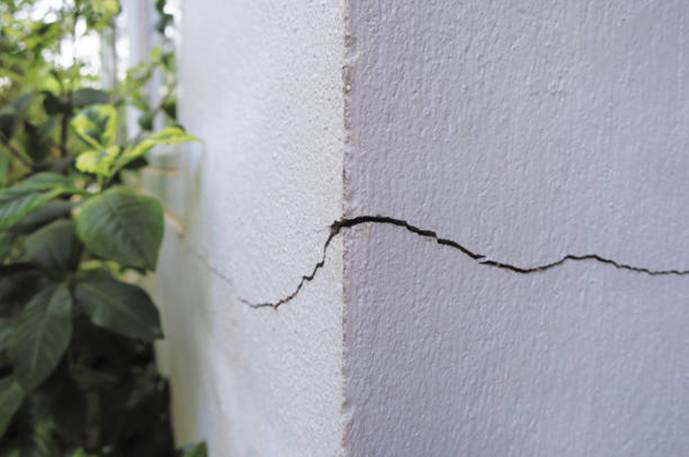
Small cracks around doors, windows, vents, drains, roofing, and utility lines often provide easy access for insects and rodents. Additionally, damaged flyscreens and poorly sealed entryways may increase indoor pest activity.
Because many pests can enter through very small openings, structural maintenance remains an important part of long-term prevention.
In larger facilities, surrounding vegetation, shared walls, storage areas, and delivery zones may also create additional access opportunities for pests.
Reducing entry points may help limit future pest movement inside properties after treatment.
Nearby Pest Activity Can Influence Infestations
Sometimes, pest pressure comes from surrounding environments rather than conditions directly inside the property itself.
For example, neighbouring buildings, restaurants, waste storage areas, construction sites, gardens, and shared commercial spaces may all contribute to recurring pest activity nearby.
Apartment complexes, warehouses, shopping centres, and food businesses often experience shared pest pressure because pests move between connected spaces searching for food and shelter.
Seasonal weather changes may also affect pest movement. During warmer months or heavy rainfall, pests often search for safer indoor environments with stable food and moisture access.
Because of these external influences, pest management often requires ongoing monitoring instead of one-time treatment alone.
Changing Environmental Conditions Affect Pest Activity
Pest activity often changes throughout the year depending on temperature, humidity, rainfall, and seasonal conditions.
Warmer temperatures may increase breeding activity for cockroaches, ants, and flies. Meanwhile, heavy rain may force rodents and insects indoors searching for dry shelter.
In cooler months, pests may also move inside buildings seeking warmth and protection.
Because environmental conditions constantly change, pest activity levels may also fluctuate even after successful treatments.
Long-term pest prevention usually works best when treatments combine with environmental management and routine maintenance.
Regular inspections help identify early warning signs before infestations grow larger. Additionally, monitoring moisture issues, structural gaps, waste areas, and sanitation conditions may reduce future pest risks significantly.
Preventative strategies may include:
Routine inspections
Moisture management
Waste control
Sealing entry points
Outdoor maintenance
Consistent cleaning schedules
Early detection programs
When these measures support professional treatments, properties often achieve better long-term pest management results.
Check out our HOME SHIELD plan for year-round pest protection plans for your homes.
Choosing the Right Pest Management Approach
Pest management involves more than simply removing visible pests temporarily. Long-term results often depend on understanding environmental conditions, surrounding risks, and preventative maintenance strategies.
Because every property faces different challenges, choosing professional pest services that focus on both treatment and long-term prevention becomes extremely important.
Reliable pest management providers should not only reduce pest activity but also care about protecting your property, your environment, and the wellbeing of your residents, staff, or visitors.
When prevention, monitoring, and professional support work together, properties often experience safer, cleaner, and more manageable environments over time.
We care about your residents and pets as much as you do. Explore more about our residential pest control for your property.
We acknowledge the Traditional Custodians of Country throughout Australia and their connections to land, sea, and community.
We pay our respect to their Elders past and present and extend that respect to all Aboriginal and Torres Strait Islander peoples today.