Most common pests can cause health problems including allergic reactions and asthma, respiratory disease, and mental health anguish. Whether they bite, sting or simply scurry across your floor, insects can bring a slew of health risks right along with them. The most extreme risk is death, which can occur from severe allergic reactions to certain insect stings.
The more you know about the possible health risks insects carry the better chance you have at preventing and protecting yourself, your home and your family. Below are some of the possible diseases spread by these insects:
The majority of rodent and insect species have the potential to cause major allergies, and can cause, or even aggravate, asthma as well:
- Rodent droppings can cause allergies. You can inhale aerosolized particles, which trigger an immune response and related allergies.
- Cockroaches also leave droppings; however, their saliva, and even decayed cadavers, can trigger allergies. For this reason, cockroach infestations can have long term effects, even after extermination, since decaying cockroaches in walls still produce allergens if not properly cleared out.
- Dust mites eat dead skin cells and absorb water from your home’s air. The resulting dryness and dust mite debris in a house can cause major allergic reactions.
- Termites cause allergies by spreading dust throughout the air in your home or business. Ventilation systems ensure this dust gets spread even further.
Biting insects include everything from bed bugs to mosquitoes, with fleas, ticks and kissing bugs in between. The typical reaction to a bite from any of these pests includes minor swelling, pain, itching and redness. In very rare cases, insect bites result in the same type of severe and life-threatening allergic reaction more commonly associated with stinging insects.
Stinging insects inject venom into the body, and this toxic substance is what can result in a life-threatening allergic reaction. Some of the most common stinging insects associated with allergic reactions are honeybees, yellow jackets, paper wasps and fire ants.
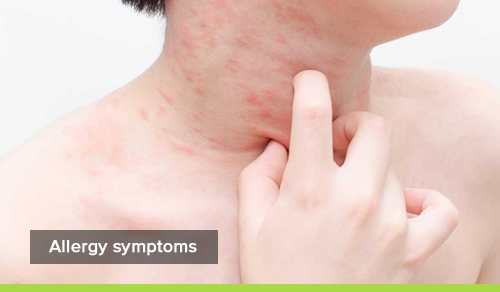
Allergy symptoms
- Hives, itching or rashes
- Swelling of the throat, lips or tongue
- Trouble breathing, wheezing or shortness of breath
- Fainting or dizziness
- Bloating, vomiting, diarrhea or stomach pain
- Free-floating anxiety, or the feeling that something terrible is about to occur
- Loss of consciousness
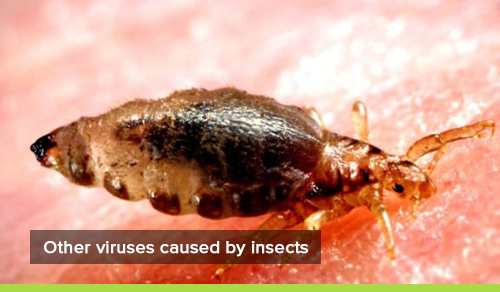
Other viruses caused by insects
Insects (mosquitoes, lice, fleas, bed bugs) and ticks are able to transmit a number of diseases caused by infectious agents: viruses (chikungunya virus, yellow fever, dengue fever, etc.), bacteria (Lyme disease, plague, etc.), parasites (malaria, sleeping sickness, leishmaniasis, filariasis, etc.).
Malaria
Malaria is a serious and sometimes fatal disease caused by a parasite that commonly infects a certain type of mosquito which feeds on humans. People who get malaria are typically very sick with high fevers, shaking chills, and flu-like illness.
Lyme disease
Lyme disease is transmitted to humans through the bite of infected blacklegged ticks. Typical symptoms include fever, headache, fatigue, and a characteristic skin rash called erythema migraines. If left untreated, infection can spread to joints, the heart, and the nervous system. Most cases of Lyme disease can be treated successfully with a few weeks of antibiotics. Steps to prevent Lyme disease include using insect repellent, removing ticks promptly, applying pesticides, and reducing tick habitat. The ticks that transmit Lyme disease can occasionally transmit other tickborne diseases as well.
West Nile virus
West Nile virus (WNV) is most commonly spread to people by the bite of an infected mosquito. There are no vaccines to prevent or medications to treat West Nile Virus in people. Fortunately, most people infected with West Nile Virus do not feel sick. About 1 in 5 people who are infected develop a fever and other symptoms and about 1 out of 150 infected people develop a serious, sometimes fatal, illness. You can reduce your risk of West Nile Virus by using insect repellent and wearing long-sleeved shirts and long pants to prevent mosquito bites.
How to prevent or avoid health risks posed by insects
Take simple measures to protect yourself and your family:
- Wear insect-repellant clothing.
- Use bug spray that contains the ingredient DEET. Read the product’s label to see how much you should use.
- Stay out of tall grass and bushes.
- Wear long pants, long sleeves, and a hat if you must be in tall grass and bushes. Tuck your pants into long, white socks.
- Wear light-colored clothing. This makes it easier to spot insects.
- Check your body regularly for ticks. if you find one, remove it with tweezers and apply a skin disinfectant. In tick-infested areas, examine your clothing, luggage and other belongings thoroughly before entering the place where you are staying.
- Avoid contact with blood, secretions, organs or other bodily fluids of infected people or animals.
- Make sure you keep strict hygiene control of food, and avoid unpasteurized dairy products in areas where tick-borne encephalitis can be transmitted.
- To discourage mosquitoes from living around your home, drain or change standing water on your property.
Disease vectors
The following pests present the highest health risks:
Cockroaches spread nearly 33 different kinds of bacteria, six kinds of parasitic worms and at least seven other kinds of human pathogens. cockroaches often carry bacteria such as Escherichia coli and Salmonella on their bodies, which can contaminate food, cooking equipment and kitchen surfaces. They also are responsible for increasing the severity of asthma and indoor allergy symptoms, especially in children and the elderly.
Rodents defecate constantly and can easily contaminate any and all food and food preparation surfaces. Rodents can cause structural damage as they are able to chew through wallboards, cardboard, wood and plaster and through electrical wiring, increasing the potential risk of fire.
Ants can contaminate food and food surfaces, the species of ant that is most worrisome in health care settings is the pharaoh ant. These ants can spread more than a dozen disease pathogens including Salmonella and Streptococcus pyogenes and are problematic because of their attraction to intravenous units, medical preparations and open wounds.
Flies contaminate food and surfaces by spreading disease organisms picked up on the silla on their bodies and through their saliva that is used to break down foods. They also defecate constantly. Flies have been known to carry disease causing germs (more than 100 different kinds).
Call a pest control company
Proper pest control
can keep you safe from the illnesses and allergies that pests bring into homes. Regular visits from a pest control professional can be an ideal solution for keeping your interior and exterior surroundings free of insects and their accompanying health hazards.
Contact Competitive Pest Services to help protect you and your family from harmful pests – 1300 766 614