Send us a message and one of our specialists pest managers will be in touch
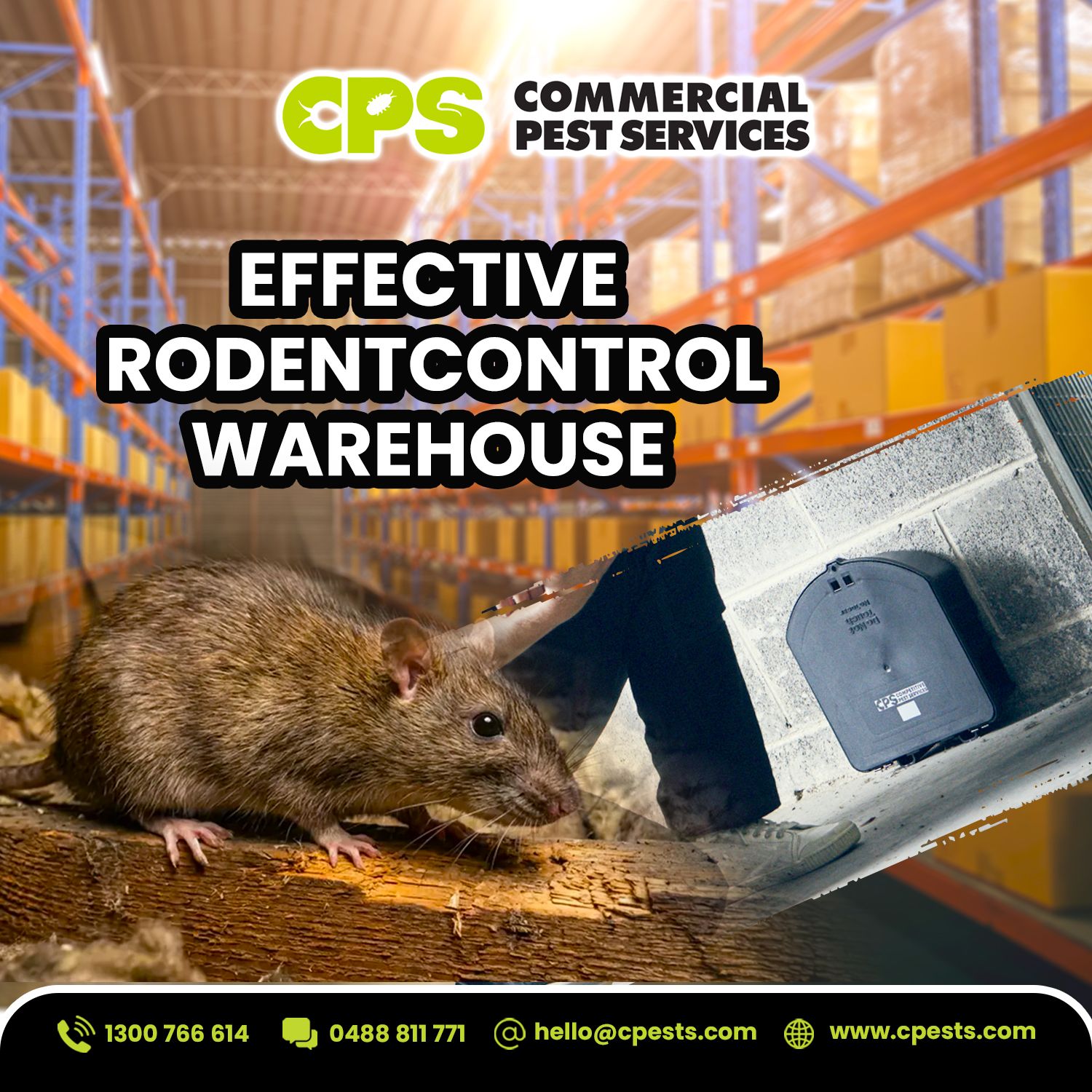
Effective Rodent Control Warehouse
May 27, 2026
In logistics industry, most common pests that disturb the operations are rodents because their droppings are not only cause product contamination but also they also nesting sites in the warehouse. In this case, effective pest control is essential to consider to get rid of rodent infestations. Operation managers perform pest inspection though regular inspections but how do they perform effective pest control in warehouse environments. In supply chains management, rats […]
In logistics industry, most common pests that disturb the operations are rodents because their droppings are not only cause product contamination but also they also nesting sites in the warehouse. In this case, effective pest control is essential to consider to get rid of rodent infestations.
Operation managers perform pest inspection though regular inspections but how do they perform effective pest control in warehouse environments. In supply chains management, rats and mice’s droppings or gnaw marks are the significant signs that severely affect the products and stored goods.
Most Common pests
Brown rat aka Rattus norvegicus eat rubbish, pet food, food scraps, composts. Rat’s upper and lowers jaws, their teeth grow continually. Major rodent pest species such as the Norway rat, also known as the common rat, sewer rat or brown rat, their life span is usually less than one year.
Grey, brown or black in colour rats’ body length reaching up to 25 cm and 400 g in weight. Black rat or roof rat typically, their sizes are around 16-20 cm, weight of 200-500 grams. They are smaller than the common Norway rat. Life span is usually:
lasts 9-12 months
Female rats have 4-5 litters per year
Average 6-8 pups per species
Rodent Infestations
Common areas where rodents hide in supply chains:
Storage areas & Storage facilities They can bite through the product materials with their strong teeth to consume stored goods such as rice, cereals, fish, meats, eggs, etc. Large storage areas means, they have high chance of hiding areas for them, so preventative measures to protect against rodent infestation is critical in logistics and supply chains industry.
Warehouse pest control services focus on preventing and managing pest infestations that threaten inventory and operations. Effective programs combine:
Regular inspections, sanitation, and exclusion tactics to eliminate food, water, and shelter sources that attract rodents, insects, and stored product pests like moths and beetles.
Specialized treatments, including baiting systems and traps placed strategically in vulnerable areas such as loading docks, storage zones, and packaging areas.
Maintaining cleanliness and sealing holes or gaps in walls and floors to prevent pest entry.
Digital monitoring systems that provide real-time alerts for early detection and swift action.
Compliance with industry regulations and health standards to ensure operational safety and prevent contamination.
Integrated pest management plans tailored to warehouse layouts and inventory types offer sustainable, efficient protection against pests, reducing risks of product damage, disease spread, and operational disruption.
Rodent Control
Keeping stored goods at least 18 inches (45cm) away from walls helps eliminate hidden runways and facilitates inspections. Maintaining a clean and debris-free exterior perimeter around the building is crucial for reducing rodent nesting spots.
Rodents can squeeze through gaps as small as a dime (approximately 1.8cm), making structural sealing essential. Elevating inventory on pallets or shelves helps reduce nesting opportunities and facilitates easier inspection.
What is the most effective rodent deterrent?
Structural Exclusion in Warehouse Pest Control: Strongly recommend installing durable materials like steel wool, concrete, or metal sheeting near the sealing gaps, cracks, and holes in the warehouse.
Sanitation and Waste Management in warehouse pest control: Performing the rigorous cleaning protocols, such as sweeping, mopping, and deep cleaning, can protect against all kinds of pests, less occur contaminate foods, removing waste to maintain a hygienic work environment.
Digital Rodent Monitoring Systems: Consider implementing the monitoring tools and systems that can track the real-time footage of pest activity, where the loading docks or storage areas are the best options for immediate results and timely intervention.
Strategic baiting and trapping in Loading Docks and Storage Zone: Deploying the tempered glass baiting stations near the vulnerable areas, such as loading docks, packaging areas, and storage facilities, to control rodents effectively.
Employee Training Focused on preventing rodents: It is as important to train the crews on monitoring or target pests like cockroaches, beetles, rodents, and mice, where sometimes droppings and gnawing are inevitable in the industry.
The risk of insects is preventable if the operations and inventory management team can timely lead to controlling these insects before the wide spread occur in the warehouses.
What is the 5-Day Rule with Mice?
Aspect
Details
Maturity
House mice reach sexual maturity in about six weeks.
Reproduction
Multiple litters per year, each with several pups.
Infestation Growth
Rapid escalation if not addressed promptly.
Action Timeline
Pest control should begin within five days of detecting signs (droppings, gnaw marks, nests).
Benefits of Prompt Action
Prevents population growth- Reduces contamination risks to stored goods- Protects warehouse structures from damage Minimizes disease transmission to humans and animals
Importance
Ensures early detection and timely intervention to safeguard warehouse operations and supply chain integrity.
Get Personalized Rodent Control Solutions for Your Logistics Facility
Are you a logistics manager looking to protect your warehouse from costly rodent infestations? Contact us today for a tailored pest control plan designed specifically for your premises. Our experts understand the unique challenges of supply chains and storage environments and will help you maintain a clean, safe, and compliant operation. Don’t wait until pests disrupt your business—take proactive action now.
Frequently Asked Questions
How soon can I expect to see results after starting rodent control?
Most clients notice significant improvements within 7 to 14 days, depending on the severity of the infestation and adherence to recommended sanitation practices.
Can rodent control affect my stored goods, such as fruit or packaged products?
Our treatments are safe and designed to protect your inventory without contamination. We prioritize non-toxic methods and strategic placement away from sensitive goods.
Are birds and cats considered pests in warehouse environments?
Yes, birds can cause contamination and damage by nesting, while stray cats may contribute to hygiene issues. We offer integrated solutions to manage these challenges effectively.
Do you provide ongoing monitoring and support after initial treatment?
Absolutely. We use digital monitoring systems to provide real-time alerts and offer regular inspections to ensure your warehouse remains pest-free.
How do rodents contribute to the spread of illness in logistics facilities?
Rodents carry pathogens that can contaminate food and surfaces, posing health risks to employees and compromising product safety. Effective control reduces these dangers.
We acknowledge the Traditional Custodians of Country throughout Australia and their connections to land, sea, and community.
We pay our respect to their Elders past and present and extend that respect to all Aboriginal and Torres Strait Islander peoples today.