Send us a message and one of our specialists pest managers will be in touch
What Is IPM and Why Do Australian Food Businesses Need It?
June 13, 2026
Pest problems are one of the biggest operational risks facing Australian food businesses. Whether it’s a café, restaurant, commercial kitchen, food warehouse, or manufacturing facility, pests are naturally drawn to environments where food, moisture, warmth, and shelter are available. The challenge is that infestations rarely begin with obvious signs. In many cases, pest activity develops […]
Pest problems are one of the biggest operational risks facing Australian food businesses. Whether it’s a café, restaurant, commercial kitchen, food warehouse, or manufacturing facility, pests are naturally drawn to environments where food, moisture, warmth, and shelter are available.
The challenge is that infestations rarely begin with obvious signs. In many cases, pest activity develops quietly behind walls, beneath equipment, inside storage areas, or around waste zones long before staff notice a visible issue.
This is why more Australian food businesses are adopting Integrated Pest Management, commonly known as IPM.
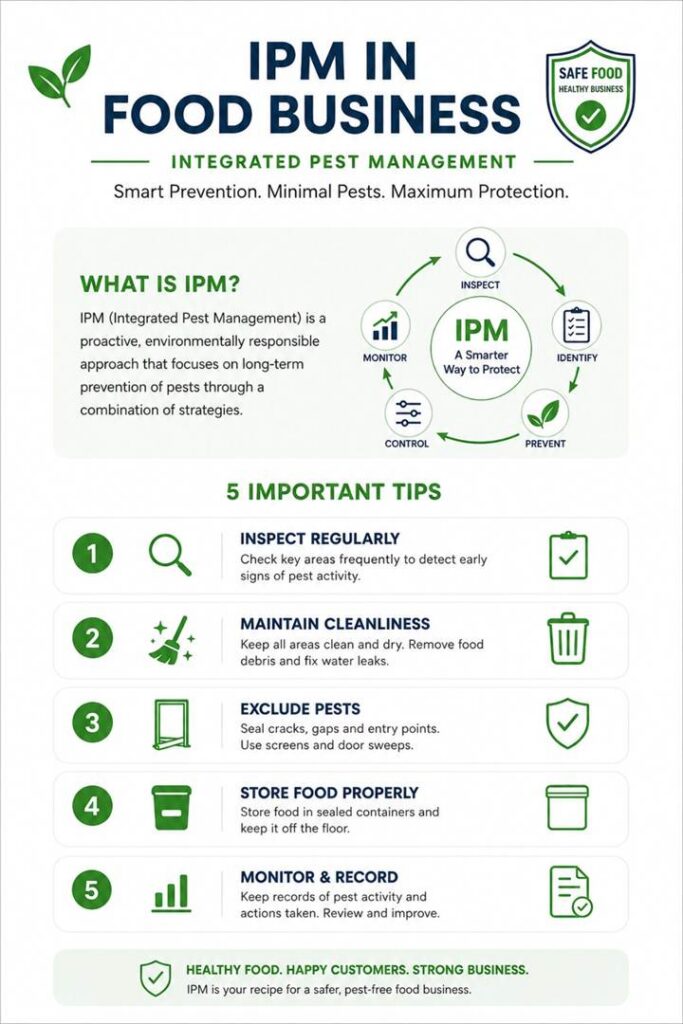
IPM is a preventive, evidence-based approach to pest control that combines multiple management strategies rather than relying solely on routine chemical treatments. Instead of simply reacting to pests after they appear, IPM focuses on understanding why pests are present and reducing the conditions that allow infestations to develop in the first place.
For food businesses, this approach is especially important because effective pest management is closely linked to food safety, hygiene standards, operational continuity, and audit readiness.
What IPM Means
Integrated Pest Management is not a single treatment method or product. It is a structured management system designed to prevent, monitor, and control pest activity using the least disruptive methods possible.
At its core, IPM uses knowledge of pest biology, behaviour, environmental conditions, and site-specific risks to guide decision-making. Rather than applying blanket chemical treatments across an entire site, IPM combines non-chemical and chemical methods in a planned, targeted way.
The goal is to manage pests economically while reducing risks to people, property, food products, and the surrounding environment.
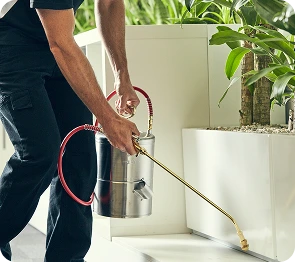
For example, if rodent activity is linked to gaps around loading docks or poor waste management, IPM focuses on correcting those underlying conditions rather than only applying bait. Similarly, if cockroach activity is developing because of moisture under kitchen equipment, the strategy may involve improving sanitation and repairing leaks alongside targeted treatment.
This approach creates longer-term protection instead of short-term suppression.
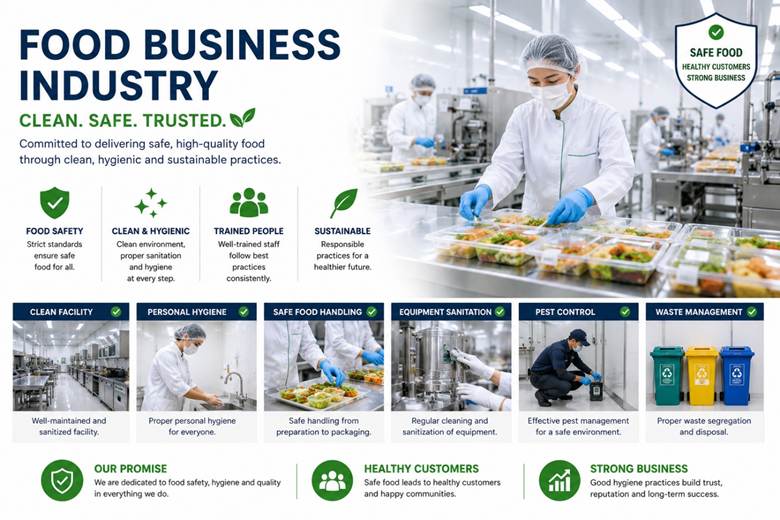
alt text: infographic of the food business industry with important features.
Why Food Businesses Need IPM
Food premises are naturally considered high-risk environments for pests.
Restaurants, cafés, food processing facilities, and warehouses all provide easy access to food sources, water, and shelter. Even well-maintained businesses can become vulnerable if preventive systems are not in place.
A single pest issue can quickly create serious operational problems.
These may include:
Food contamination
Failed hygiene inspections
Customer complaints
Product losses
Reputational damage
Temporary closures or compliance action
In highly competitive industries like hospitality and food manufacturing, even one incident can affect customer trust and business reputation.
IPM helps businesses reduce these risks by focusing on prevention before infestations become visible or expensive to manage.
In practical terms, good pest management also supports broader food safety systems. Many businesses already follow cleaning schedules, hygiene procedures, and quality assurance programs. IPM works alongside these systems to strengthen overall site protection and improve audit preparedness.
What IPM Looks Like in Practice
In a real food business environment, IPM is usually made up of multiple systems working together.
A restaurant may combine daily cleaning schedules, sealed food storage, and moisture management.
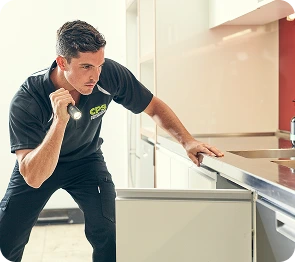
Staff training also plays a critical role. Employees are often the first to notice early warning signs such as droppings, and damaged packaging. Proper reporting procedures help businesses respond quickly before infestations spread.
The most effective IPM programs are routine, site-specific, and properly documented.
Common Mistakes Businesses Make
One of the most common mistakes is waiting until pests become clearly visible before taking action.
By the time staff notice large numbers of pests, the infestation may already be well established.
Another issue is relying only on sprays or bait without addressing the environmental conditions attracting pests in the first place.
Businesses also underestimate the importance of moisture control, structural maintenance, and sanitation. Food residue, leaks, and hidden access points can quickly undermine even the most aggressive treatment programs.
Finally, failing to maintain inspection and treatment records can create problems during audits or compliance reviews.
Integrated Pest Management is not a single product or treatment. It is a structured management system designed to prevent pest activity.
For Australian food businesses, IPM has become an essential part of maintaining hygiene, supporting compliance, and reducing the operational risks associated with pest infestations.
In industries where food safety and reputation matter, prevention is always more effective than reacting after the damage is already done.
Contact CPS today to arrange a professional inspection and tailored treatment plan.
We acknowledge the Traditional Custodians of Country throughout Australia and their connections to land, sea, and community.
We pay our respect to their Elders past and present and extend that respect to all Aboriginal and Torres Strait Islander peoples today.