Send us a message and one of our specialists pest managers will be in touch
Flies in Restaurants: Why They Damage Customer Impressions
June 13, 2026
Flies in Restaurant : A Big No for Good Impression Customers often notice cleanliness before they notice food quality. Consequently, first impressions strongly influence how people feel about restaurants, cafes, and hospitality venues. Even a small number of flies inside dining spaces may quickly create discomfort and disappointment for customers. In many cases, visible flies immediately affect how customers […]
Flies in Restaurant : A Big No for Good Impression
Customers often notice cleanliness before they notice food quality. Consequently, first impressions strongly influence how people feel about restaurants, cafes, and hospitality venues.
Even a small number of flies inside dining spaces may quickly create discomfort and disappointment for customers. In many cases, visible flies immediately affect how customers judge hygiene and food safety standards.
As hospitality businesses rely heavily on customer trust and reputation, preventing fly activity remains extremely important.
Why Flies Create Negative Impressions Quickly
Restaurants compete strongly on presentation, comfort, cleanliness, and customer experience. Therefore, even small hygiene concerns may influence customer opinions very quickly.
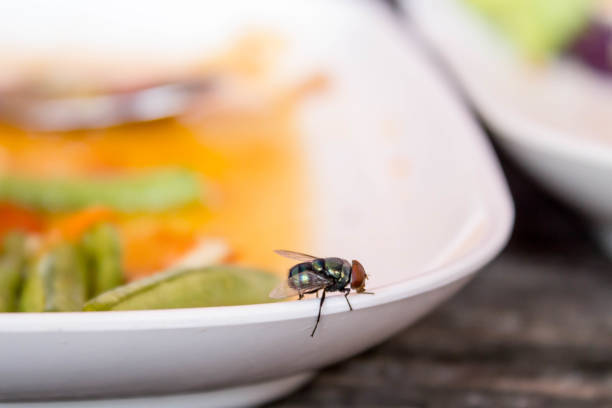
When customers notice flies around tables, counters, or food displays, many immediately feel uncomfortable during meals. Additionally, flies often distract customers from enjoying the dining experience itself.
People naturally expect restaurants to maintain hygienic and well-managed environments. Consequently, visible pests may create doubts about food preparation areas, kitchen cleanliness, and overall operational standards.
Even if food quality remains excellent, fly activity may still dominate the customer’s memory of the visit.
How Flies Affect Customer Trust
Trust plays a major role in hospitality businesses. Customers want confidence that restaurants handle food safely and maintain proper hygiene practices consistently.
Unfortunately, flies often create the opposite impression.
Many diners associate flies with garbage, waste, spoiled food, and contamination risks. As a result, customers may question whether hygiene standards remain properly maintained behind the scenes.
Additionally, customers often judge restaurant cleanliness based on small visible details. A single fly near food or dining tables may quickly influence their overall opinion of the business.
Today, customer reactions spread faster through online reviews and social media platforms. Consequently, negative dining experiences may affect far more than one customer.
For example, customers who notice flies inside restaurants may mention:
Poor cleanliness
Uncomfortable dining conditions
Food safety concerns
Lack of hygiene management
Even small complaints may influence future customer decisions significantly.
The Business Impact of Fly Problems
Fly activity affects more than temporary customer annoyance. In many situations, it may directly influence business performance and long-term reputation.
Reduced Customer Return Rates
Damage to Brand Reputation
Lower Customer Confidence
Disruption During Service
Common Areas Where Customers Notice Flies
Customers usually notice flies in visible dining and service areas first. Therefore, maintaining these spaces becomes extremely important for customer confidence.
Some common high-risk areas include:
Dining tables and seating areas
Beverage stations
Outdoor dining spaces
Kitchen entrances
Buffet or display counters
Garbage storage areas
Washrooms
Delivery and storage zones
Because customers often observe these details closely, even minor hygiene issues may affect their overall dining impression.
Prevention Matters More Than Reaction
Preventing fly activity before customers notice problems remains one of the most effective strategies for hospitality businesses.
Maintain Consistent Cleaning – Clean dining areas, counters, floors, and food preparation spaces. Attend to spills and food residues immediately
Manage Waste Properly – Empty garbage bins frequently, clean waste storage areas regularly, and close the garbage bin lids
Maintain Outdoor Areas – Clean outdoor seating areas and remove excess moisture point and standing water
Store Food Correctly – Keep food in proper containment and seal properly
Schedule Routine Inspections – Plan regular pest inspections to identify hygiene concerns, moisture issues, and potential pest risks
Explore what kind of pest management we offer for restaurants.
Customer Impressions Shape Restaurant Success
Customers remember how restaurants make them feel, not only how food tastes. Consequently, visible flies may quickly damage comfort, trust, and overall dining experiences.
Although flies may seem like a minor issue initially, they often create strong negative impressions that affect customer confidence and future business decisions.
For restaurants, maintaining clean and comfortable environments supports stronger customer trust, better dining experiences, and long-term business reputation.
Contact CPS today to arrange a professional inspection and tailored treatment plan.
We acknowledge the Traditional Custodians of Country throughout Australia and their connections to land, sea, and community.
We pay our respect to their Elders past and present and extend that respect to all Aboriginal and Torres Strait Islander peoples today.