Send us a message and one of our specialists pest managers will be in touch
How Moisture Control Prevents Pests and Infections in Hospitals
June 13, 2026
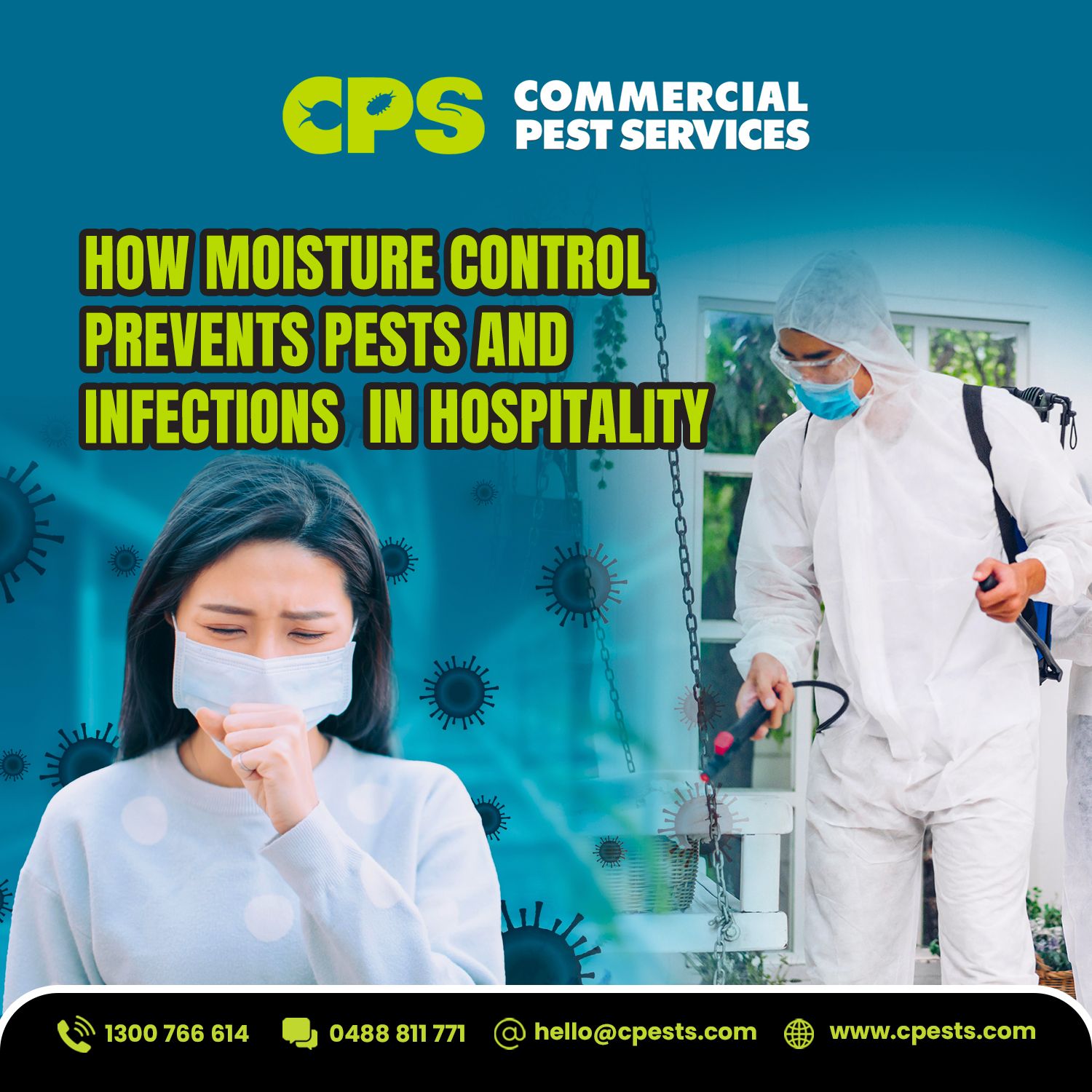
Hospitals and healthcare facilities require strict hygiene standards every day. However, one overlooked issue often contributes to both pest infestations and infection risks: excess moisture. Moisture creates ideal conditions for pests, mold, bacteria, and other harmful microorganisms. Consequently, poor moisture control may quickly affect sanitation, indoor air quality, and patient safety. In hospitals, this becomes far more serious […]
Hospitals and healthcare facilities require strict hygiene standards every day. However, one overlooked issue often contributes to both pest infestations and infection risks: excess moisture.
Moisture creates ideal conditions for pests, mold, bacteria, and other harmful microorganisms. Consequently, poor moisture control may quickly affect sanitation, indoor air quality, and patient safety.
In hospitals, this becomes far more serious than simple building maintenance. Patients with weakened immune systems may face severe health complications from pests, mold exposure, and infection-causing pathogens.
Therefore, proper moisture control plays an important role in both pest management and infection prevention and control at hospitals.
The Connection Between Moisture, Pests, and Infections
Many pests and microorganisms depend on moisture to survive and reproduce. As a result, damp environments often support multiple hygiene problems simultaneously.
Termites and Moisture
Subterranean termites require moisture to survive because their bodies dry out quickly in harsh conditions. Consequently, leaking pipes, damp foundations, and poor drainage may attract termites near hospital structures.
Once termites locate moisture and timber sources, structural damage may gradually develop unnoticed.
Cockroaches Thrive in Damp Areas
Cockroaches commonly gather around kitchens, drains, laundry rooms, and wet storage areas. Additionally, humid conditions help cockroaches survive longer and reproduce more rapidly.
Because cockroaches move between waste and food preparation surfaces, they may spread bacteria throughout healthcare environments.
Rodents Search for Water Sources
Rodents constantly search for food, shelter, and water inside buildings. Damp areas, leaking plumbing, and condensation often attract rodents into wall voids, storage spaces, and maintenance areas.
Mold Growth in Humid Conditions
Mold grows rapidly in damp and poorly ventilated environments. Furthermore, mold releases airborne spores that may affect indoor air quality throughout healthcare facilities.
These spores may trigger allergic reactions, respiratory irritation, and serious complications for vulnerable patients.
Bacteria and Viruses
Many bacteria and harmful microorganisms survive longer in moist environments. Damp surfaces may also support the growth and spread of infection-causing pathogens throughout healthcare settings.
Therefore, uncontrolled moisture may increase sanitation and infection control challenges.
Common Moisture Sources in Healthcare Facilities
Healthcare facilities contain many areas where moisture may accumulate if maintenance declines.
Leaking Pipes and Plumbing
HVAC Condensation
Poor Drainage and Blocked Gutters
Bathrooms, Kitchens, and Wet Rooms
Damp Basements and Crawl Spaces
Sanitation and proper environmental hygiene management is critical in the compliance framework of Infection Prevention and Control at healthcare facilities.
Increased Healthcare-Associated Infections – Allowing bacteria and pathogens to survive longer due to high moisture
Risks to Immunocompromised Patients – Higher risks for patients, leading to severe or life-threatening infections.
Poor Indoor Air Quality – excessive humidity that can affect patient comfort, staff wellbeing, and environmental hygiene standards.
Prevention Strategies That Support Both Hygiene and Pest Control
Fortunately, proper moisture management may help reduce both pest activity and infection risks simultaneously.
Maintain Indoor Humidity Levels
Keeping indoor humidity below sixty percent may help reduce mold growth and pest survival. Proper ventilation and dehumidification systems often support healthier indoor environments.
Repair Leaks Immediately
Facilities should repair leaking pipes, taps, drains, and roofing issues as quickly as possible. Early action may prevent moisture build-up and reduce pest attraction.
Maintain HVAC Systems Regularly
Routine HVAC inspections help control humidity and prevent condensation problems. Clean ventilation systems may also improve indoor air quality throughout the facility.
Conduct Routine Inspections
Regular inspections help maintenance teams identify hidden moisture issues early. Consequently, facilities may address small problems before larger infestations or contamination develop.
Use Integrated Pest Management
Integrated pest management combines moisture control, sanitation, monitoring, and targeted pest prevention strategies. This approach addresses both environmental conditions and existing pest activity.
Why Hospitals Need Both Pest Control and Hygiene Services
Pest control alone may reduce visible infestations, but it may not address the underlying moisture problem attracting pests initially.
Similarly, hygiene services alone may improve sanitation while existing pest populations continue spreading contamination throughout the facility.
Therefore, healthcare facilities often benefit most from integrated solutions that combine hygiene management, moisture control, preventative maintenance, and professional pest management.
This combined approach supports cleaner, safer, and healthier healthcare environments for patients, visitors, and staff.
Prevention is Safer.
Moisture may appear harmless at first; however, it often creates serious pest and infection risks inside healthcare facilities.
Because damp environments support mold, bacteria, rodents, cockroaches, and termites, moisture control remains essential for maintaining hygiene and patient safety.
Through routine maintenance, inspections, ventilation, and integrated prevention strategies, healthcare facilities may greatly reduce long-term sanitation and pest risks.
Contact CPS today to arrange a professional inspection and tailored treatment plan.
We acknowledge the Traditional Custodians of Country throughout Australia and their connections to land, sea, and community.
We pay our respect to their Elders past and present and extend that respect to all Aboriginal and Torres Strait Islander peoples today.