Send us a message and one of our specialists pest managers will be in touch
Why Every Business Needs a Pest Risk Assessment
August 25, 2026
Many businesses only think about pest control after they notice a problem. Perhaps an employee spots a rodent near a loading area. A customer reports seeing ants in a common space. A routine audit highlights pest concerns that no one expected. However, effective commercial pest management starts much earlier. It begins with understanding the risks before […]
Many businesses only think about pest control after they notice a problem.
Perhaps an employee spots a rodent near a loading area. A customer reports seeing ants in a common space. A routine audit highlights pest concerns that no one expected.
However, effective commercial pest management starts much earlier.
It begins with understanding the risks before pests become a disruption.
A pest risk assessment helps businesses identify vulnerabilities, understand pest pressures, and put prevention measures in place. Rather than reacting to pest activity, businesses can take practical steps to reduce the likelihood of infestations.
After all, prevention is often more effective than crisis management.
What Is a Pest Risk Assessment?
A pest risk assessment is a structured review of factors that may increase pest activity within a business.
It goes beyond looking for visible pests.
The process considers the property’s environment, operations, and potential attractants. It identifies areas that could encourage pests and highlights opportunities for improvement.
A pest risk assessment may include:
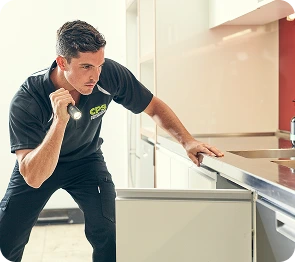
Internal and external site inspections.
Identifying entry points.
Reviewing waste management practices.
Assessing hygiene standards.
Evaluating storage and handling procedures.
Considering seasonal pest pressures.
Every Business Has Different Pest Risks
No two businesses operate in exactly the same way. As a result, their pest risks also differ.
A healthcare facility focuses heavily on infection prevention and maintaining sensitive environments.
Hospitality venues prioritise customer experience, food safety, and brand reputation.
Warehouses and logistics facilities often face risks linked to loading docks, incoming goods, and large storage spaces.
Meanwhile, office buildings may encounter issues around kitchens, break rooms, and waste areas.
Understanding these differences allows businesses to develop more targeted pest management strategies.
Rodents can establish nesting areas before staff notice droppings.
Cockroaches may remain hidden in storage areas until populations increase.
Bird activity around buildings can escalate gradually and lead to property damage over time.
Identifying risks early allows businesses to act before small concerns become larger operational issues. This proactive approach can help reduce emergency callouts, minimise disruption, and support more effective planning.
In many cases, prevention also proves more cost-effective than reactive treatments.
Many industries operate within strict hygiene and compliance frameworks.
Food businesses, healthcare environments, and manufacturing facilities often require evidence of ongoing pest management efforts.
A pest risk assessment provides valuable insight into current conditions and helps businesses demonstrate a commitment to maintaining standards.
It can also guide future monitoring, reporting, and corrective actions.
More importantly, it supports confidence among customers, staff, auditors, and stakeholders.
Prevention Protects More Than Buildings
Pest management is about more than eliminating unwanted visitors.
It protects people, products, operations, and reputation.
At Competitive Pest Services, we believe every commercial pest management program should begin with understanding risk.
By identifying vulnerabilities early and tailoring solutions to each environment, businesses can make informed decisions that support long-term protection.
Because the strongest pest management strategy is not simply responding to problems.
It is recognising opportunities to prevent them before they happen.
We are committed to providing services that are effective, transparent, and easy to understand.
Book an inspection now with CPS today to arrange a professional inspection and tailored treatment plan.
We acknowledge the Traditional Custodians of Country throughout Australia and their connections to land, sea, and community.
We pay our respect to their Elders past and present and extend that respect to all Aboriginal and Torres Strait Islander peoples today.