Send us a message and one of our specialists pest managers will be in touch
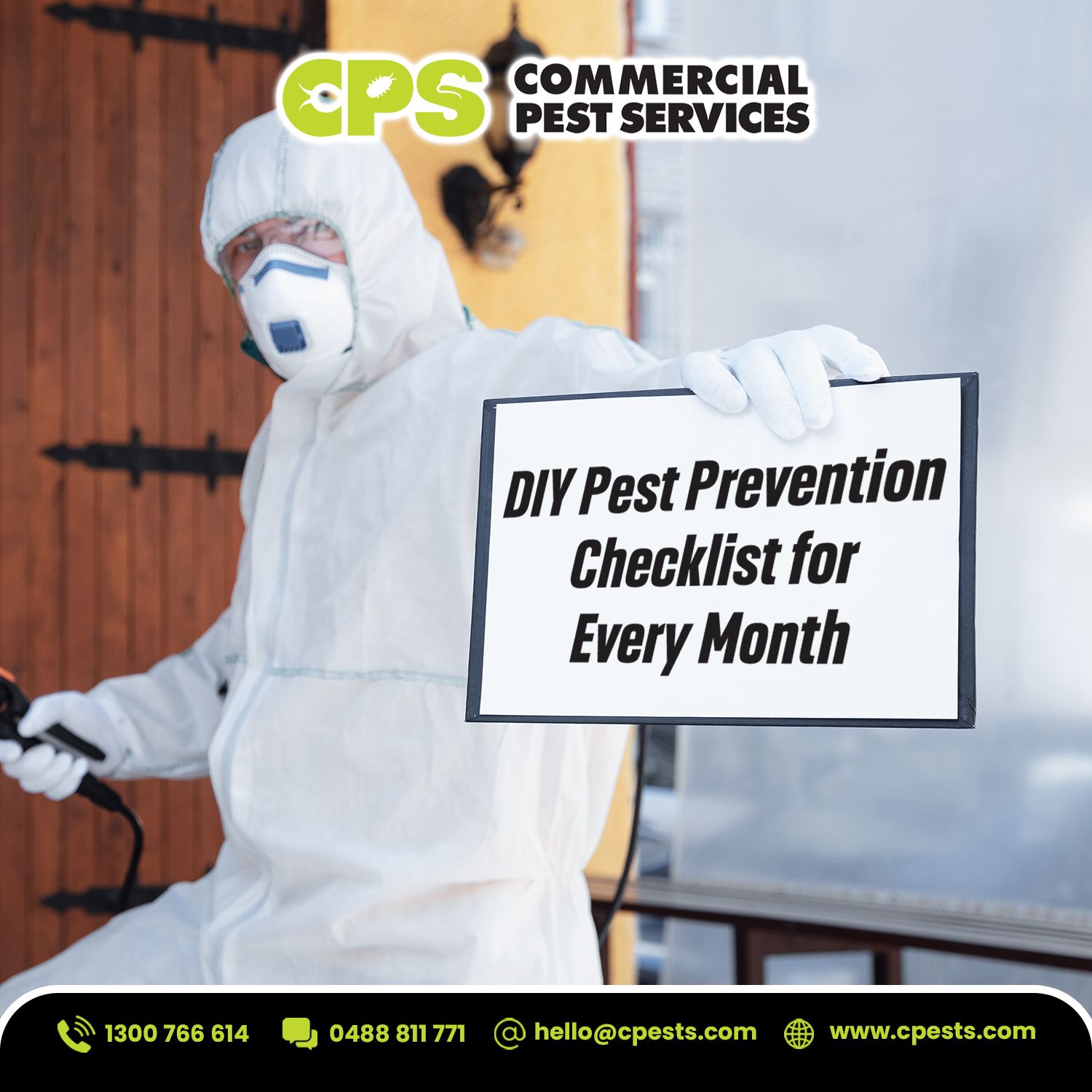
DIY Pest Prevention Checklist for Every Month
September 23, 2026
Pest prevention is not something that only matters when you spot a cockroach or hear rodents on the roof. In fact, the best way to keep pests away is to make prevention part of your regular home maintenance routine. Different pests become more active at different times of the year. By completing a few simple […]
Pest prevention is not something that only matters when you spot a cockroach or hear rodents on the roof. In fact, the best way to keep pests away is to make prevention part of your regular home maintenance routine.
Different pests become more active at different times of the year. By completing a few simple tasks each season, you can make your home less attractive to unwanted visitors and reduce the chance of future infestations.
Use this DIY pest prevention checklist as a guide to keep your home protected throughout the year.
January to March – Stay Ahead During Summer
Summer brings warmer temperatures, which means many household pests become more active.
This is a good time to wipe kitchen benches daily, store food in sealed containers, empty rubbish bins regularly, and remove standing water around your property. Ants, cockroaches, mosquitoes, and flies are often attracted to food scraps and moisture during the hotter months.
Also, inspect outdoor entertaining areas where food and drinks are frequently enjoyed.
You might want to read about Flies in Summer and why they are more active in warmer months.
April to June – Prepare for Cooler Weather
As temperatures begin to fall, some pests start looking for warm places to shelter.
Clear fallen leaves from your garden, trim plants away from exterior walls, and check that gutters remain free from debris. Rodents and spiders often use cluttered outdoor areas as hiding places before moving closer to homes.
It is also a great time to inspect doors and windows for small gaps that pests could use as entry points.
Check out how you can prepare your homes to be pest free before winter.
July to September – Focus on Hidden Spaces
Winter encourages many pests to stay indoors where conditions are warmer.
Take time to inspect roof spaces, garages, storage rooms, and under sinks for signs of moisture, droppings, or nesting materials. Repair leaking pipes promptly and improve ventilation in damp areas to reduce moisture that attracts pests.
Keeping storage areas organised also makes it easier to spot early signs of pest activity.
October to December – Get Ready for Spring
Spring signals increased activity for many insects as the weather becomes warmer.
Inspect your garden for overgrown vegetation, remove unused outdoor items that collect water, and keep lawns well maintained. Check window screens for damage and make sure outdoor lighting does not attract unnecessary insect activity near entrances.
A tidy outdoor space helps reduce pest pressure before summer arrives.
A Five-Minute Monthly Check Makes a Difference
No matter the season, spending just a few minutes each month inspecting your home can help prevent bigger problems later.
Walk around your property and look for signs such as cracks around doors, leaking taps, damaged flyscreens, overflowing bins, or unusual pest activity. These simple checks often identify small issues before they become costly infestations.
Remember, pests are much easier to prevent than to remove once they become established.
DIY Helps, but Professional Prevention Completes the Picture
Good housekeeping and regular maintenance are important parts of pest prevention. However, some pest activity remains hidden inside walls, roof spaces, or beneath flooring where it is difficult to detect without professional experience.
That is why combining DIY pest prevention with routine residential pest inspections provides the best long-term protection.
Our CPS pest control technicians help homeowners identify hidden risks, recommend practical prevention strategies, and deliver tailored residential pest control solutions throughout every season.
Together, simple monthly habits and professional pest management can keep your home protected all year round. Contact Us.
We are committed to providing services that are effective, transparent, and easy to understand.
Book an inspection now with CPS today to arrange a professional inspection and tailored treatment plan.
We acknowledge the Traditional Custodians of Country throughout Australia and their connections to land, sea, and community.
We pay our respect to their Elders past and present and extend that respect to all Aboriginal and Torres Strait Islander peoples today.