Send us a message and one of our specialists pest managers will be in touch
Termite Infestations: What Causes Them in Australian Homes?
June 9, 2026
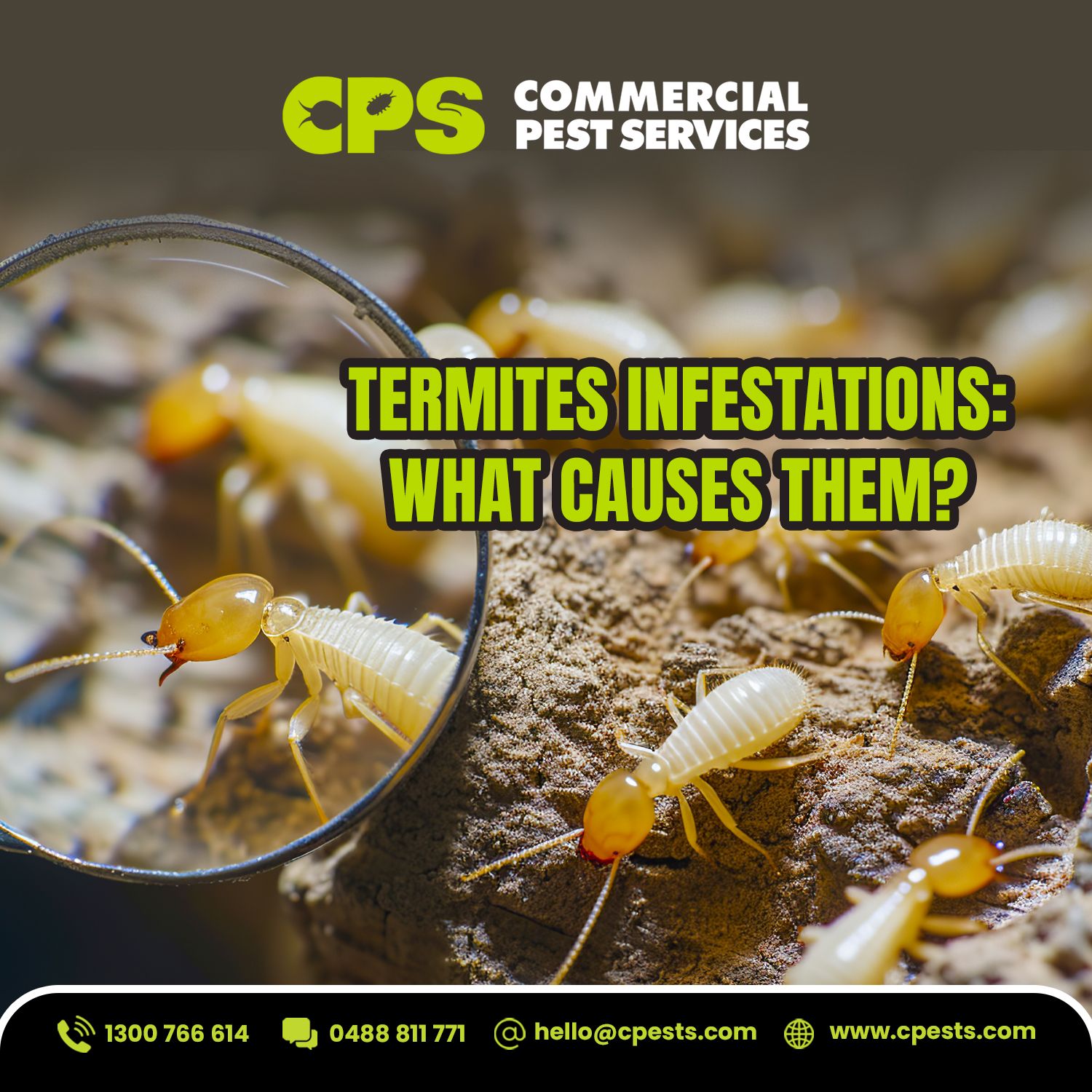
Termites are among Australia’s most destructive pests, and they remain active throughout the entire year. Unlike seasonal pests, termites continuously search for food, moisture, and shelter regardless of weather changes. Because termites often remain hidden, infestations may continue unnoticed for months before visible damage appears. Consequently, both homes and commercial properties may face costly structural […]
Termites are among Australia’s most destructive pests, and they remain active throughout the entire year. Unlike seasonal pests, termites continuously search for food, moisture, and shelter regardless of weather changes.
Because termites often remain hidden, infestations may continue unnoticed for months before visible damage appears. Consequently, both homes and commercial properties may face costly structural repairs if infestations spread.
Many people assume termite infestations only happen in dirty or poorly maintained properties. However, termite activity usually depends more on environmental and structural factors than hygiene standards alone.
Weather conditions, moisture levels, building materials, nearby infestations, and landscaping all influence termite risks around properties.
What Causes Termite Infestations?
Several external and internal factors may attract termites to buildings. Often, multiple conditions combine to create suitable environments for termite colonies.
Weather and Climate Conditions
Australia’s warm climate creates ideal conditions for termites throughout the year. Additionally, humid environments and seasonal rainfall increase soil moisture, which attracts subterranean termites closer to structures.
After heavy rain, termites may search for new food sources and nesting opportunities around nearby buildings.
Properties located near bushland, forests, gardens, or wooded areas often face higher termite risks. Similarly, older suburbs with mature trees and timber landscaping may naturally attract termite activity.
If neighbouring properties experience termite infestations, nearby homes may also become vulnerable over time.
Moisture Problems
Moisture strongly attracts termites because damp timber becomes easier for them to consume. Consequently, leaking pipes, blocked gutters, poor drainage, and damp subfloors may increase infestation risks significantly.
Poor ventilation around bathrooms, kitchens, and laundry areas may also create suitable conditions for termites.
Timber and Building Materials
Termites primarily feed on cellulose found in timber and wood-based materials. Untreated timber structures, fences, decks, retaining walls, and stored firewood may attract termites closer to buildings.
Direct timber-to-soil contact often increases risks further because termites gain easier access to structures.
Gardens and Landscaping
Dense gardens, mulch, tree stumps, and overgrown vegetation may support termite activity around properties. Furthermore, heavy landscaping may hide early warning signs, making infestations harder to detect.
Common Termite Species in Australia
Species
Behaviour
Photo reference
Subterranean Termites
Most destructive species in Australia. Build underground colonies and travel through mud tubes searching for timber and moisture.
Drywood Termites
Live directly inside dry timber without soil contact. Often infest furniture, wooden frames, and structural timber.
Dampwood Termites
Prefer moist and decaying timber. Commonly found near water damage, leaking areas, and damp environments.
Signs of a Possible Termite Infestation
Because termites usually remain hidden, early signs may appear subtle at first. Therefore, regular inspections remain extremely important.
Some common warning signs include:
Hollow-sounding timber
Mud tubes near walls or foundations
Bubbling paint or damaged wood
Tight doors and windows
Discarded termite wings near windows or doors
Visible timber damage around structures
If homeowners notice these signs, immediate professional inspection is strongly recommended.
What Can You Do to Help Prevent Termites?
Although termites remain active year-round, preventative measures may significantly reduce infestation risks.
Schedule Routine Inspections – Regular termite inspections to identify early warning signs. Inspection before and after seasonal changes is recommended.
Maintain Gardens Carefully – Trim vegetation, remove dead tree stumps, timber debris near structures.
Reduce Timber Contact with Soil – Avoid direct timber-to-soil contact around fences, decks, walls, and stored materials.
Monitor Outdoor Areas – Inspect sheds, fences, decks, subfloors, and storage spaces regularly.
What Professionals Usually Do for Termite Control
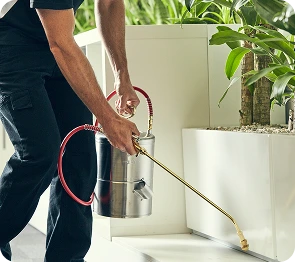
Professional termite management usually begins with a detailed property inspection to identify termite activity, entry points, moisture issues, and structural risks. Depending on the situation, professionals may recommend termite barriers, baiting systems, monitoring stations, targeted treatments, or long-term prevention strategies.
CPS provides professional termite inspections and tailored termite management solutions for residential and commercial properties.
Termite infestations rarely happen because of poor hygiene alone. Instead, environmental conditions, moisture, structural materials, and surrounding landscapes usually contribute to termite activity.
Because termites remain active throughout the year in Australia, proactive prevention remains extremely important. Regular inspections, moisture control, and property maintenance may greatly reduce the risk of costly termite damage over time.
When it comes to termites or other pests, prevention is recommended rather than reaction.Read more about it.
Concerned about termite risks around your home or business?
Contact CPS today to arrange a professional inspection and tailored treatment plan.
We acknowledge the Traditional Custodians of Country throughout Australia and their connections to land, sea, and community.
We pay our respect to their Elders past and present and extend that respect to all Aboriginal and Torres Strait Islander peoples today.