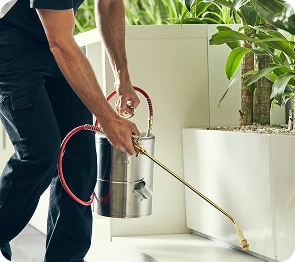
When people think about pest control, they often picture insects or rodents being removed from a home. While that is certainly part of the job, modern pest management has a much bigger purpose.
As pests can affect the places where we live, work, learn and receive healthcare. They may contaminate food, spread harmful bacteria, trigger allergies or damage buildings that people rely on every day.
Therefore, effective pest management is no longer just about removing pests. It is about creating cleaner, healthier, and safer environment for everyone. Today, one of the ultimate goals of the global pest management industry is to protect public health.
How Public Health Relates With Pest Management
Public health focuses on protecting the health and wellbeing of communities. It includes preventing illness, promoting safe environments and reducing risks before they become larger problems.
Pest management supports these goals by helping reduce pest activity which may cause health risks in homes, schools, workplaces, hospitals, restaurants and other public spaces.
Instead of waiting for infestations to occur, modern pest management encourages regular inspections, monitoring and preventive action. This approach helps reduce health risks while supporting healthier communities.
How Can Pests Affect Our Health?
Not every pest spreads disease directly, but many can create conditions that affect people’s health and comfort.
Food Contamination
Cockroaches, rodents and flies often travel through drains, rubbish areas and other unsanitary places before entering homes or food businesses. They can contaminate food preparation areas and stored food, increasing food safety risks.
This is one reason why good hygiene and routine pest management are essential in both homes and commercial kitchens.
Allergies and Asthma
Some pests can affect indoor air quality.
Cockroach droppings, shed skins and rodent allergens may contribute to allergy symptoms or asthma in sensitive individuals. Keeping pest activity under control helps create a healthier indoor environment.
Mosquitoes and Other Biting Pests
Mosquitoes are more than just a nuisance during warmer months. Their bites can cause irritation, and in some parts of the world they are known to spread diseases. Reducing standing water and managing mosquito breeding areas are important preventive measures.
Damage That Creates Health Risks
Rodents may chew electrical wiring, while termites can weaken timber structures over time. These problems can create additional safety concerns if they remain unnoticed for long periods.
Read more about pests and their health risks.
Where Pest Management Makes the Biggest Difference
Effective pest management protects many of the places we use every day.
Homes
Regular pest prevention helps families enjoy cleaner living spaces while reducing the risk of infestations.
Explore what we offer for residential pest control.
Schools and Childcare Centres
Children learn best in clean, well-maintained environments. Routine pest management supports hygiene and helps protect food preparation and play areas.
Explore pest control by CPS for schools and childcare centres.
Healthcare Facilities
Hospitals, clinics and aged care facilities require high standards of cleanliness. Preventive pest management helps support infection prevention practices and protects vulnerable people.
Read More for pest control at healthcare facilities.
Restaurants and Food Businesses
Food safety depends on more than cooking and cleaning. Routine pest inspections help businesses protect ingredients, maintain hygiene standards and meet regulatory requirements.
Read more about how Integrated Pest Management is important for food businesses.
Workplaces
Clean workplaces support employee wellbeing and provide a safer environment for staff, customers and visitors. Explore pest control for offices and retail spaces.
Public Health Starts With Prevention
Across the world, the pest management industry continues to move towards prevention rather than reaction. This shift supports healthier communities by reducing pest risks before they become serious problems.
Read about how World Pest Day celebrated its 10 years of excellence of the global pest control industry.
Property owners also play an important role. Simple actions such as storing food properly, managing rubbish, fixing leaks and sealing entry points help reduce the conditions that attract pests. When combined with routine pest inspections, these habits create stronger long-term protection.
Protecting More Than Just Properties
Pest management is about much more than removing unwanted pests. It helps protect food, supports hygiene, reduces health risks and contributes to safer places for people to live and work.
As public health becomes an even greater priority around the world, preventive pest management will continue to play an important role in building healthier communities.
Join us in creating a safer environment by adopting preventive pest management at your homes or businesses.
Contact Us.