Send us a message and one of our specialists pest managers will be in touch
Cockroaches in Australia: Species, Risks and Professional Control
November 12, 2026
Australia’s warm, humid climate makes it a hotspot for cockroach activity. Whether you manage a commercial kitchen in Brisbane or own a family home in Sydney, understanding which cockroach species pose a threat, what health risks they carry, and how to stop them is essential. This guide covers everything from identification and prevention to professional […]
Australia’s warm, humid climate makes it a hotspot for cockroach activity. Whether you manage a commercial kitchen in Brisbane or own a family home in Sydney, understanding which cockroach species pose a threat, what health risks they carry, and how to stop them is essential. This guide covers everything from identification and prevention to professional cockroach control.
Understanding Cockroach Infestations in Homes and Businesses
A cockroach infestation occurs when pest cockroaches enter a building, find food, water, and shelter, and establish a breeding population. In warm humid cities like Sydney, Brisbane, and Darwin, conditions are naturally favourable for rapid population growth. Australia has recorded over 450 cockroach species, yet fewer than ten are regular indoor pests.
Cockroaches are commonly found hiding in commercial kitchens, restaurant dishwash areas, hospital plant rooms, food storage rooms, residential kitchens, bathrooms, roof voids, and crawl spaces beneath buildings. They are cold blooded insects whose life cycle increase in humid conditions, which is why infestations peak during warmer months.
Early professional cockroach control is critical. Without intervention, populations spread into wall cavities, service ducts, and inaccessible voids, making later eradication far more difficult and costly. Physical traps and thorough sanitation are essential methods for controlling cockroach infestations, but they work best when combined with expert treatment.
Act fast if you see:
Dark, cylindrical droppings near kitchens or behind appliances
Shed skins or empty egg cases tucked into cracks and crevices
Greasy smear marks along walls or baseboards
A strong musty or oily odour in cupboards, subfloors, or roof voids
Cockroaches active during daylight hours (indicating a large population)
Common Cockroach Species Affecting Australian Properties
Australia hosts over 450 cockroach species. The vast majority are native cockroaches that remain outdoors in their natural habitats-leaf litter, rotting wood, and decaying organic matter. These native species, including the bush cockroach and sand cockroaches, are ecologically beneficial decomposers and rarely enter buildings.
The common cockroach species that affect homes and businesses are the ones classified as major pest. They live in or around buildings, feed on food scraps and waste, and can trigger allergic reactions and spread pathogens. The most common domestic cockroach species include German, American, Oriental, and Brown-banded cockroaches. Identifying the species of cockroach is crucial for effective pest control because each requires a tailored approach.
A useful comparison covers size, colour, flying ability, and typical habitat across several species. Correct identification of specific cockroach species guarantees every successful control program.
German Cockroach (Blattella germanica)
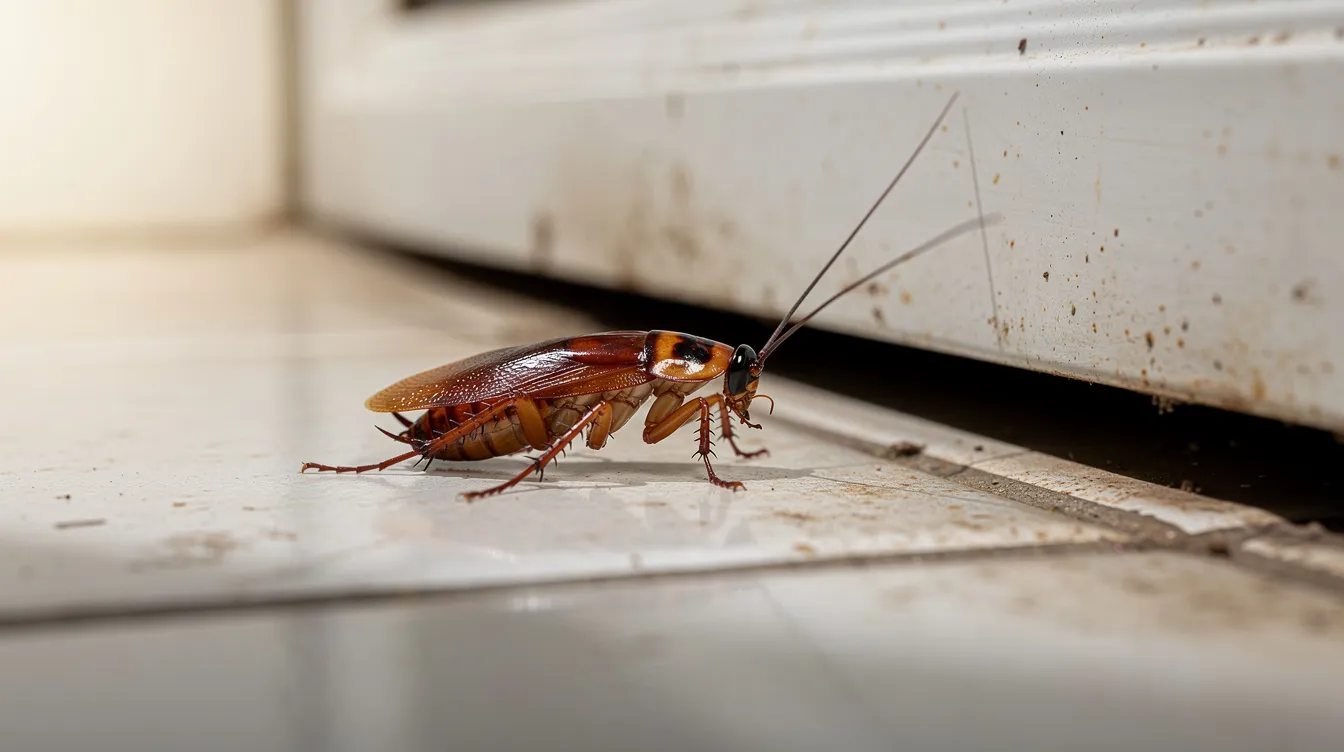
German cockroaches are the most common indoor pest cockroach species globally and a persistent problem in Australian urban centres. They thrive in commercial kitchens, cafés, restaurants, hotels, and high-density apartments-anywhere food is prepared and warm humid harbourages exist. German cockroaches prefer warm, humid indoor environments such as kitchens and bathrooms, clustering behind fridges, under dishwashers, beneath commercial cooklines, and within wall voids and service risers.
Colour: light brown with two dark pronotal stripes
Egg output: 30–40 eggs per ootheca, multiple generations per year
Preferred harbourage: behind refrigerators, under dishwashers, inside wall voids
Resistance: frequently develops resistance to DIY sprays and baits
American Cockroach (Periplaneta americana)
The American cockroach is one of the largest common species found in Australian properties, particularly in sewer systems, basements, plant rooms, and subfloors of large commercial buildings. American cockroaches are large and often found in dark, damp areas like basements and sewers.
For heavy American cockroach infestations in complexes and industrial sites, CPS designs integrated cockroach control treatments combining residual sprays, baiting programs, and structural proofing recommendations to block entry from below-ground sources.
Australian Cockroach (Periplaneta australasiae)
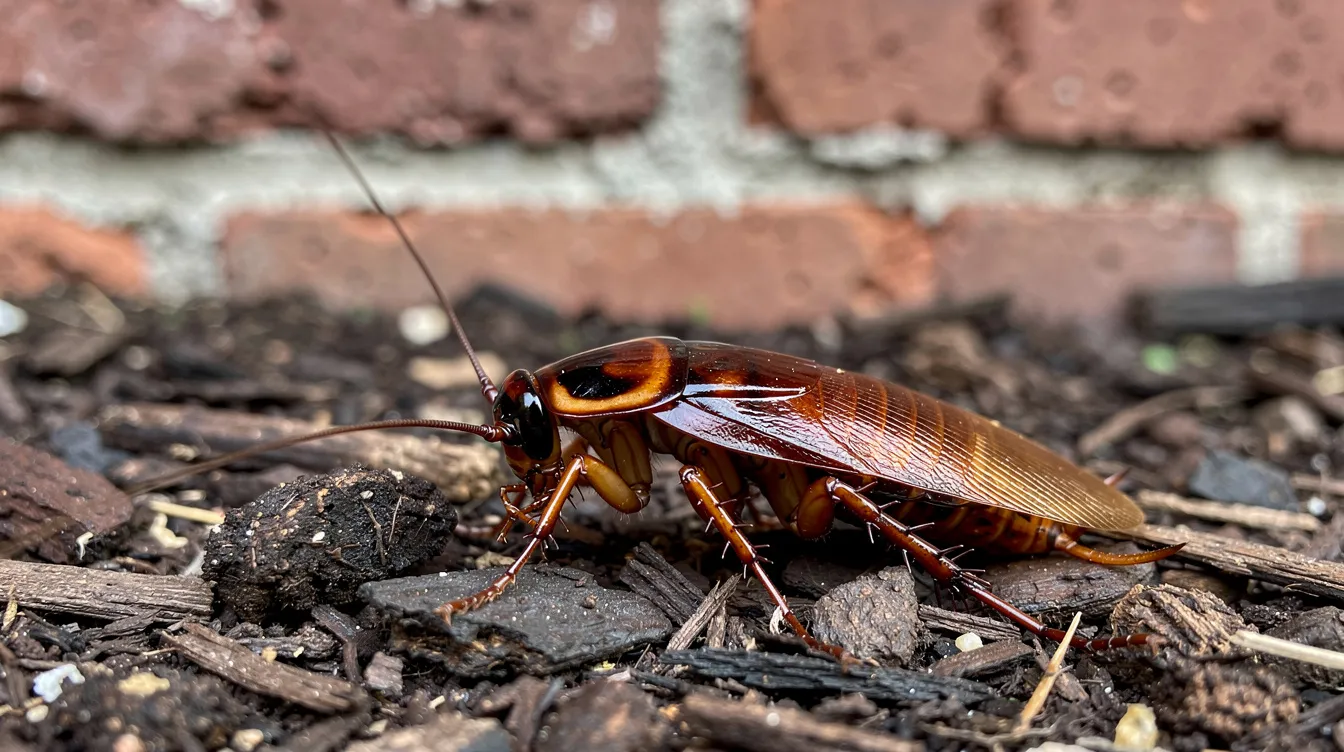
Despite its name, the Australian cockroach is not a native species. It is an introduced pest commonly found around homes and commercial landscapes in warm humid regions-coastal Queensland, New South Wales, and Western Australia, especially where gardens are irrigated.
Their typical habitat includes garden beds, mulch, leaf litter, timber piles, external meter boxes, and roof voids. They forage on organic matter and organic material in tropical environments and warmer climates. Associated health risks include mechanical transmission of bacteria like Salmonella and E. coli onto outdoor BBQ surfaces and indoor kitchen benchtops.
Oriental Cockroach (Blatta orientalis) and Other Moisture-Loving Species
Oriental cockroaches are medium-sized, glossy dark brown to black insects strongly associated with cool, damp areas. They are less common in modern, well-sealed Australian homes but still appear in older buildings with drainage issues, particularly in cooler parts of New South Wales and South Wales regions, in terrestrial habitats with persistent moisture.
Key identification points:
Glossy dark brown to black colour
Males: longer but non-functional wings; females: very short wings
Strong association with damp areas, basements, and old drains
Slower-moving compared to other species
Where CPS technicians look first:
Floor drains and under sinks with pipe leaks
Subfloors with poor ventilation and damp areas
Garden edges and rubbish areas with decaying organic matter
Commercial waste storage zones
Several species share moisture preferences. Many species of wood eating cockroaches and field cockroaches stay outdoors and rarely cause indoor cockroach infestations.
Flying Cockroaches and Bush Cockroaches
Several pest cockroach species in Australia can fly or glide in warm conditions. Reports of flying cockroaches around lights, balconies, and outdoor dining areas are common in warmer climates. Species known for regular flight include the smoky brown cockroach, Australian cockroach, some American cockroach populations, and other insects like the Asian cockroach in northern regions. These cockroaches are attracted to lights and often enter upper-storey apartments after dusk.
Bush cockroaches are native or naturalised species that live in leaf litter, bark, rotting wood, and soil within their natural habitats. They play important roles as decomposers in the food web, breaking down organic material and supporting healthy soil ecosystems. Most bush cockroach species are harmless, rarely invade buildings, and should generally be left alone in gardens where they contribute alongside other insects.
Health Risks and Hygiene Concerns from Cockroach Infestations
Cockroach infestations are a public health issue, not just a nuisance. Cockroaches can carry Salmonella and E. coli bacteria from drains, sewers, and waste zones onto food preparation surfaces, posing direct contamination risks. They also transmit Listeria and various opportunistic fungi.
Cockroach allergens-proteins found in droppings, shed skins, and saliva, including tropomyosin-can trigger allergic reactions and worsen respiratory conditions. Cockroach droppings can trigger asthma attacks in children, and cockroach allergens are a documented concern in hospitals and healthcare facilities.
Health impacts of cockroach infestations:
Foodborne illness from contaminated surfaces and stored food
Asthma exacerbation, particularly in children and the elderly
Allergic reactions in sensitised individuals (skin, respiratory)
Failed food safety audits and regulatory non-compliance
Business closure notices in restaurants, aged care, and healthcare
Cockroach infestations can lead to serious health compliance issues for commercial operators
Cockroach pest control can improve health and safety in homes and businesses alike. Vulnerable groups-children, the elderly, people with asthma or COPD, and immunocompromised patients-face the greatest risks.
Preventing Cockroach Infestations: Hygiene and Proofing
Effective cockroach control always starts with prevention. Cutting off food and moisture is critical to controlling cockroach populations, and good hygiene practices form the foundation of any lasting solution.
For homeowners:
Wipe food spills promptly and avoid leaving dirty dishes overnight
Store food in sealed containers and keep pet food secured between meals
Regularly dispose of garbage in sealed containers
Keep kitchens and bathrooms clean to reduce cockroach attraction
Store dry goods in sealed containers rather than cardboard boxes
Fix leaks to eliminate water sources for cockroaches
For facility managers:
Implement structured cleaning schedules with documented records
Degrease under cooklines and clean floors behind equipment nightly
Sanitise waste rooms regularly and store goods off floors
Seal cracks and gaps around pipes, cables, and expansion joints to prevent cockroach entry
Install drain covers and repair damaged door sweeps
Improve ventilation in subfloors and roof voids to reduce humidity
Sealing entry points helps prevent new cockroaches from entering the premises
CPS technicians provide site-specific recommendations to meet HACCP, BRCGS, or local council requirements for pest prevention. Poor hygiene and deferred maintenance are the most common contributors to recurring cockroach problems.
HomeShield and Year-Round Cockroach Protection
HomeShield is CPS’s year-round home pest protection plan designed for Australian households wanting ongoing defence against cockroaches and other common species. Rather than reacting to infestations, HomeShield keeps your home protected through every season.
A typical HomeShield plan includes scheduled inspections, interior and exterior treatments, ongoing monitoring, and follow-up visits if activity is detected between scheduled services. The plan addresses not just cockroaches but also ants, spiders, silverfish, and rodents, providing comprehensive residential coverage.
Benefits of a CPS HomeShield plan:
Predictable annual costs with no surprise call-out fees
Reduced risk of cockroach infestations becoming established
Coverage for multiple pest types under one program
Treatment methods adjusted to property design and local cockroach species pressure
Peace of mind for families and pet owners
Backed by CPS’s 200% service guarantee: if you are not satisfied with the cockroach control outcome, CPS returns and retreats-and if you are still unhappy, refunds the last service fee
HomeShield suits freestanding homes, townhouses, and units across humid environments and warmer climates. Request a quote or inspection before the next warm season to stay ahead of cockroach activity.
When to Call CPS for Cockroach Control
Contact a licensed pest control provider when you notice repeated sightings during daylight, a persistent musty odour, cockroaches in food preparation areas or near stored food, or any cockroach activity in childcare, aged care, or healthcare facilities. Visible activity usually represents only a fraction of the total population hiding in voids, service risers, and inaccessible cracks-even a single cockroach can signal a larger problem.
The National Pest Management Association consistently recommends professional intervention for established infestations rather than relying on consumer-grade products. Facility managers should include CPS in tender processes and risk assessments for compliance with HACCP, ISO, and local council food safety guidelines.
Don’t wait for a minor sighting to become an entrenched infestation. Contact Competitive Pest Services today by phone or online form for prompt, professional help with any suspected cockroach infestation in your home or business.
We acknowledge the Traditional Custodians of Country throughout Australia and their connections to land, sea, and community.
We pay our respect to their Elders past and present and extend that respect to all Aboriginal and Torres Strait Islander peoples today.