Changes in the weather can make it difficult to control insect infestations, especially as changing weather patterns affect insects and alter normal weather patterns in warmer periods. Increased temperatures, increased precipitation and droughts, along with broader environmental conditions and multiple factors, can drive the development of new insect species and invasions.
However, fewer insects survive the cold weather, as they are cold-blooded creatures that can’t produce their own body heat, which decreases spring infestations and, with climate change, can leave some regions more susceptible to pest pressure.
Since pests are influenced by the seasons, the threats they pose shift as the weather changes. To keep pests out and protect your home from invasion it is important to be aware of seasonal pest patterns.
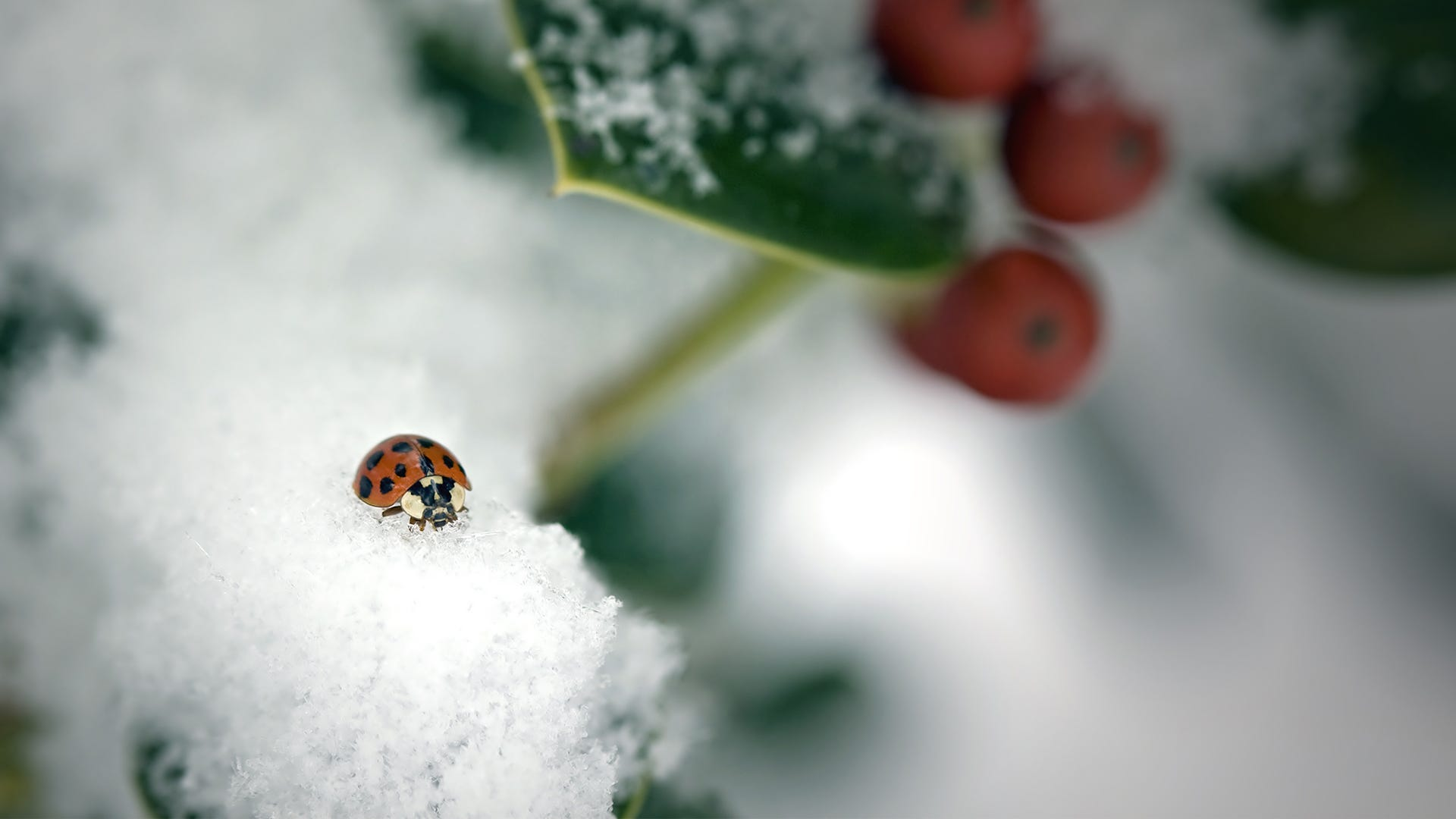
How do cold winters and cold weather affect insects?
Insects are cold-blooded creatures, so the weather affects them differently than warm-blooded humans and animals. They must find a way to survive when the temperatures drop, and cold winters can reduce survival for some species, so they can emerge again in spring.
Insects adapt to cooler temperatures by migrating to warmer weather, finding a place to hibernate, or seeking shelter, which can range from burying themselves underground to invading our homes. If the temperature goes below freezing, insects become dormant. Depending on the species, many insects die in freezing weather, though snow can also change overwintering conditions depending on the shelter available.
Insects like bees and wasps find shelter from the cold in trees, under logs or in the eaves of homes and barns. They remain dormant in these areas until temperatures warm up in the spring. Insects find a warm place to wait out the winter and either hibernate as adults or overwinter as larvae, nymphs, pupae or eggs.
Insects that hatch in the spring can survive 20-degree temperatures and become active at 50 degrees Fahrenheit. Some pests, like spiders, are always around, but they hide out in cracks and crevices in the home and come out during mating season. While ants have nesting sites where they hide in winter, you can see them if the weather warms early, and warmer temperatures can keep some pests active for longer periods. Also, if the nest is located somewhere warm, like under heated concrete, they may emerge early. Even a warmer-than-normal sunny winter day may cause them to emerge sooner than usual.
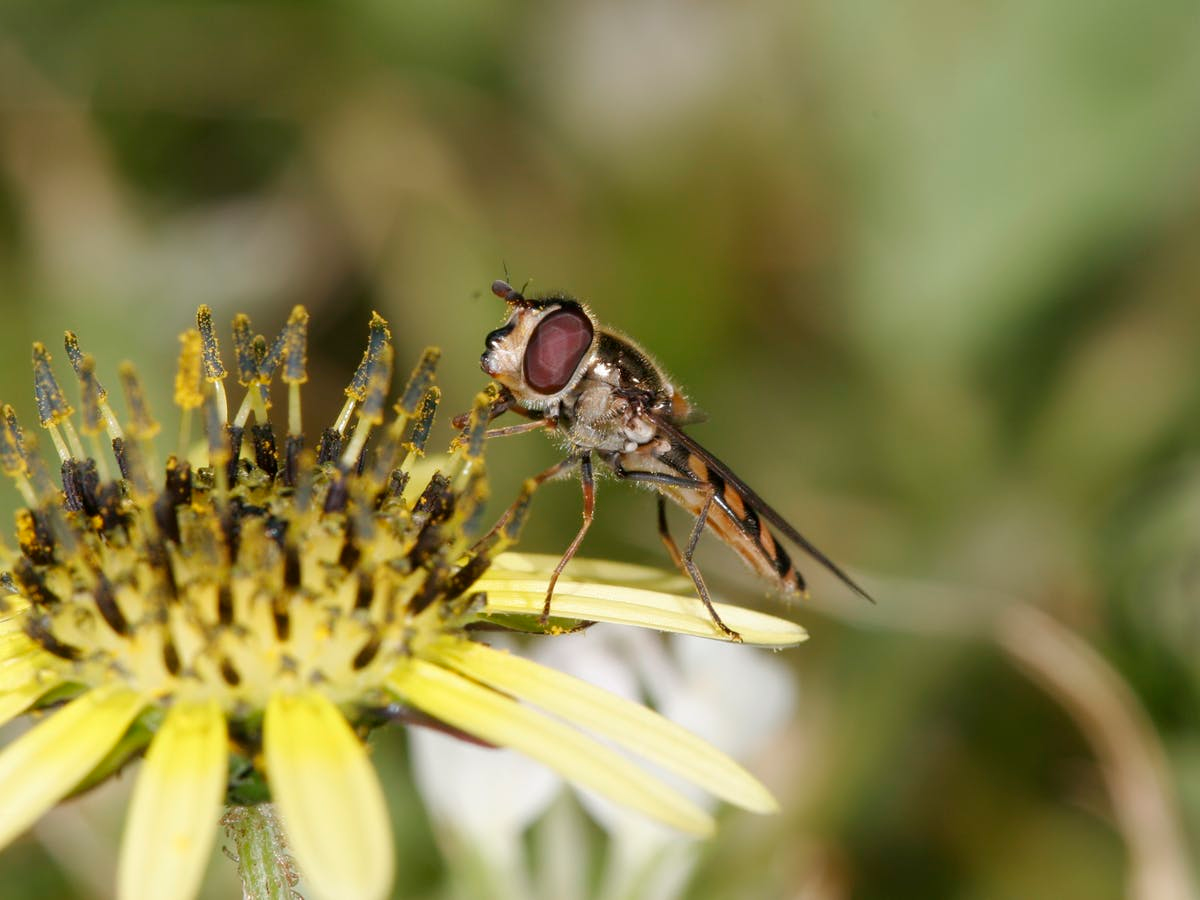
How does warm weather affect insects?
Pest activity increases in the spring, the vast majority of pest movement and patterns tend to occur outside of the home as pests seek food and water and look to mate. Some pests, however, will be looking for protected places, such as your home, to build a nest. In some regions, warm-season pest activity can also extend into fall.
Insect reproductive rates typically increase in warmer months, which is why you see more bugs when the temperature rises. As temperatures increase, so do the rates of insects, which means they need to eat more to survive, though different species respond to warmth at different rates. Thus, bugs can invade homes looking for a tasty snack or you may notice increased insect damage to your garden during warmer months. Warm weather allows insect larvae to mature faster.
As a result, they live longer and travel further, and some mosquito species become more active or noticeable in warm weather than others. That’s why, in the summer, some unfamiliar pests might appear in your yard.
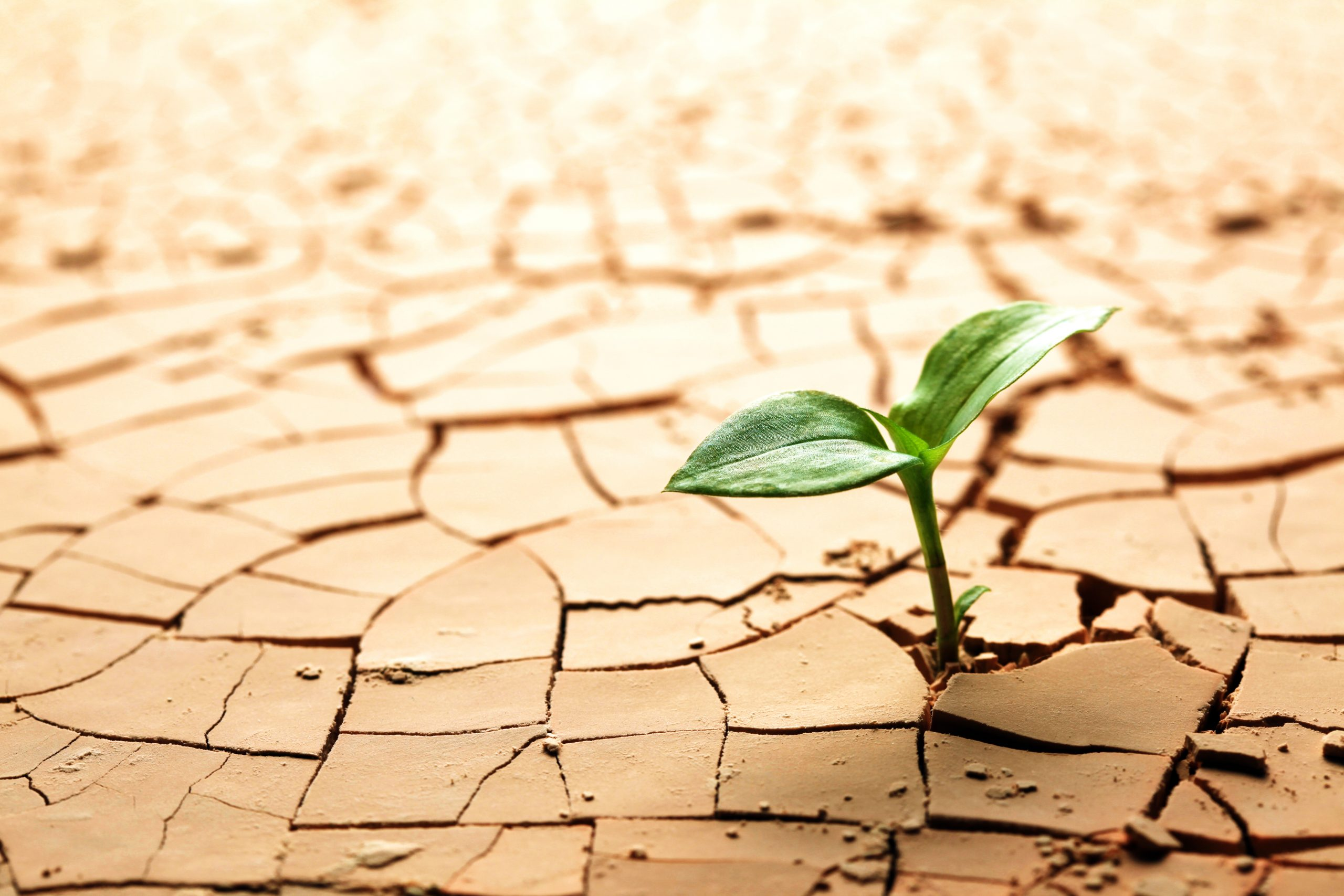
How does dry, hot weather affect insects?
Dry weather means that insects, pests, and plants will all kick into survival mode and seek out water and nutrients, and the place you can find all of these is in your house.
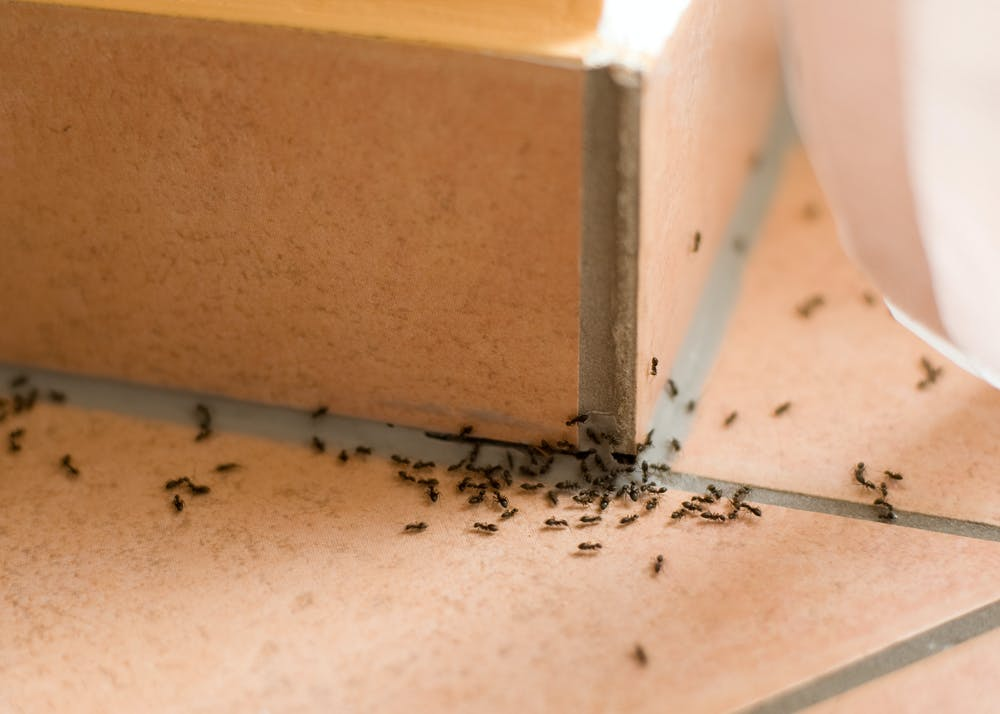
A drought or a long duration of dry weather can also mean more ants entering your home. Dry weather can negatively affect the insects’ food supply, so they search for food and water inside your home. Local land use and the surrounding land can also influence how dry weather shifts pest pressure around homes. They may even build nests closer to your home for easier access to supplies. You may not see as many ants outside during a drought as you would in wet weather, but you may notice them coming into your house more often since they are searching for food.
Some insects thrive and multiply in dry, hot weather. Mosquitoes need water to lay their eggs and breed, so dry weather will affect their reproduction, even if the temperatures are within the range where they are active, because surrounding vegetation and nearby forest cover can affect how much water remains in breeding sites.
How does rainfall and humidity affect insect populations?
Relative humidity may also impact insects. This is because humidity makes it very challenging for insects to properly regulate the water loss they experience. Low humidity levels may also contribute to the development of dehydration. If it is moist and cool, insects will suffer the most damage. This is because growth is slowed, diseases may develop in an insect’s food source, and feeding activities are greatly disrupted. Research and data consistently show that rainfall and humidity are key factors in insect activity.
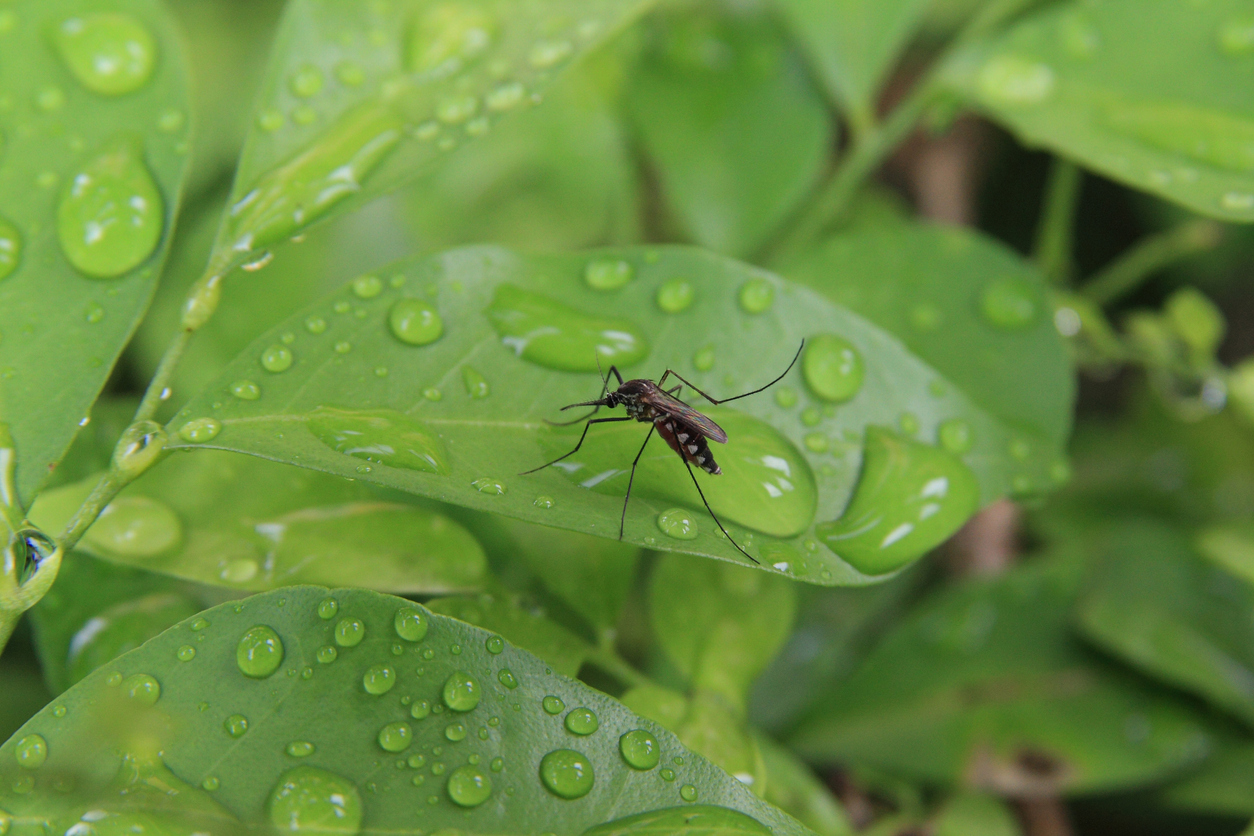
Rainfall also impacts insects. It’s harder for insects to fly in the rain since the drops of water can slow them down. Rain can also damage insects’ wings. For these reasons, many bugs hide when it’s raining. Some types of insects, like honeybees, can sense when a storm is coming. They seek shelter before the rain starts. Other types of insects will hide underneath leaves, bark, or other objects to stay safe. Mosquitoes are an exception, and they can stay active when it’s raining.
After the rain stops, some insects come out to breed. Heavy rains create ideal breeding conditions for pests like gnats. Since mosquitoes lay their eggs in water, the puddles left behind by the rain can contribute to increased mosquito populations, and land use also matters because standing water in residential areas, agricultural areas, or near forest edges can support different mosquito species. These places can become breeding habitat in large numbers after storms, especially in the summer and early fall. Some mosquito species also act as vectors for West Nile virus, moving it between birds, humans, and other animals.
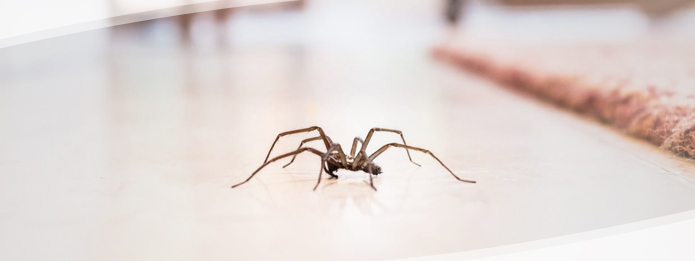
It can force some bugs, including spiders, ants, and cockroaches, out of their nests in the ground during excessive rain. You may get an infestation when this happens as they can quickly invade homes looking for food and dry ground. This can also become a public health concern because some pests carry pathogens and can transmit diseases. Termites are a serious risk to buildings affected by wet season rains and storms. They need to live in a moist environment, so excessive and sustained rains can provide sufficient dampness for them to migrate into new areas. Buildings may come under attack by termites exploiting weak spots, damp spots, and damaged areas.
What to do if you have insects in your house?
If you happen to find insects in your home during any of these weather conditions then maybe you can try some natural remedies to help get rid of them first. Make sure to store your food and drinks away properly, try to keep your house clean, and watch for ticks around the home after seasonal weather shifts. Prompt cleanup and exclusion matter because some pests can transmit diseases, including lyme disease.

If you’re still dealing with pest problems, professional help is especially important when changing weather patterns lead to persistent pest activity or repeated infestations, so you may want to call professional pest control services.
This kind of understanding supports better long-term prevention.
Contact us at 1300 766 614 to help address your pest problems.